
Kitebi SS acquires community ambulance and mobile clinic
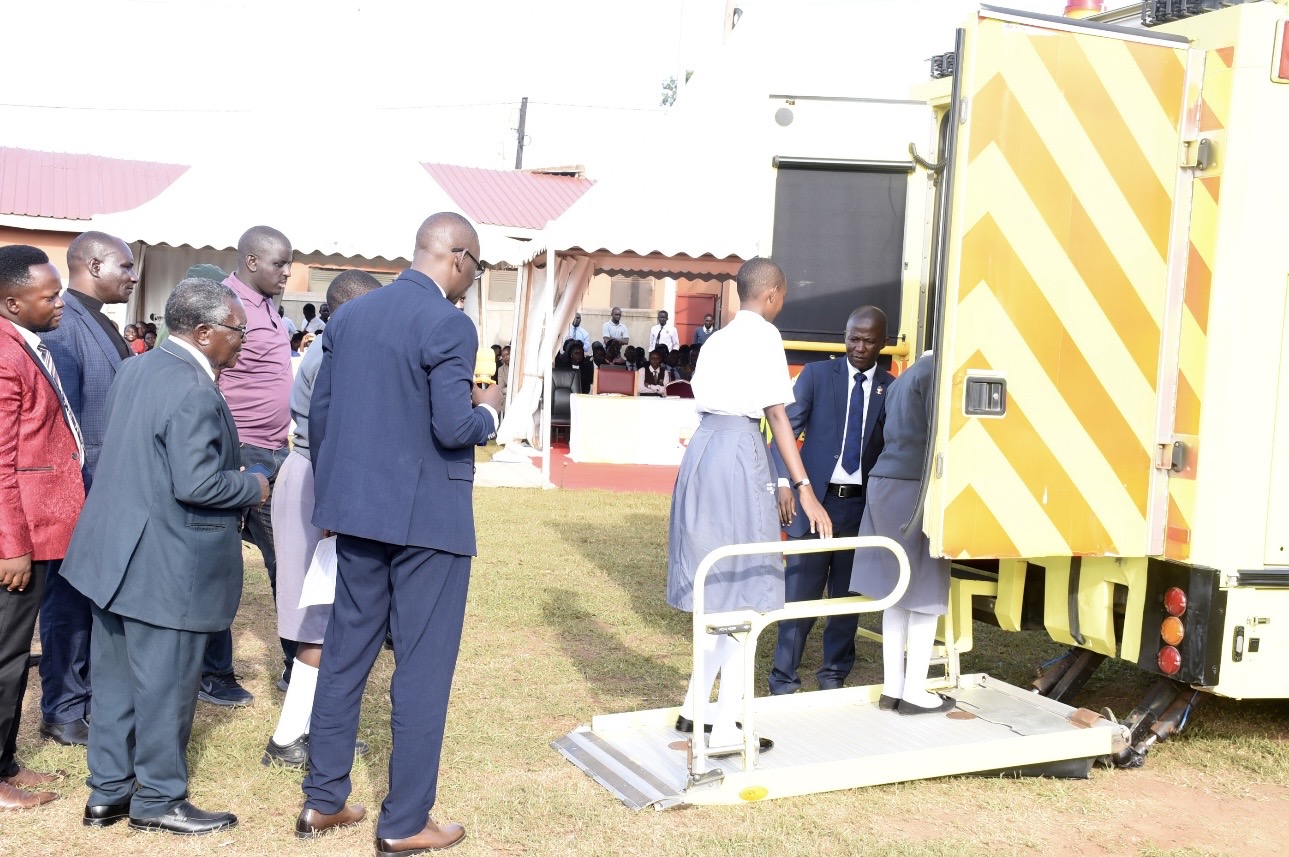
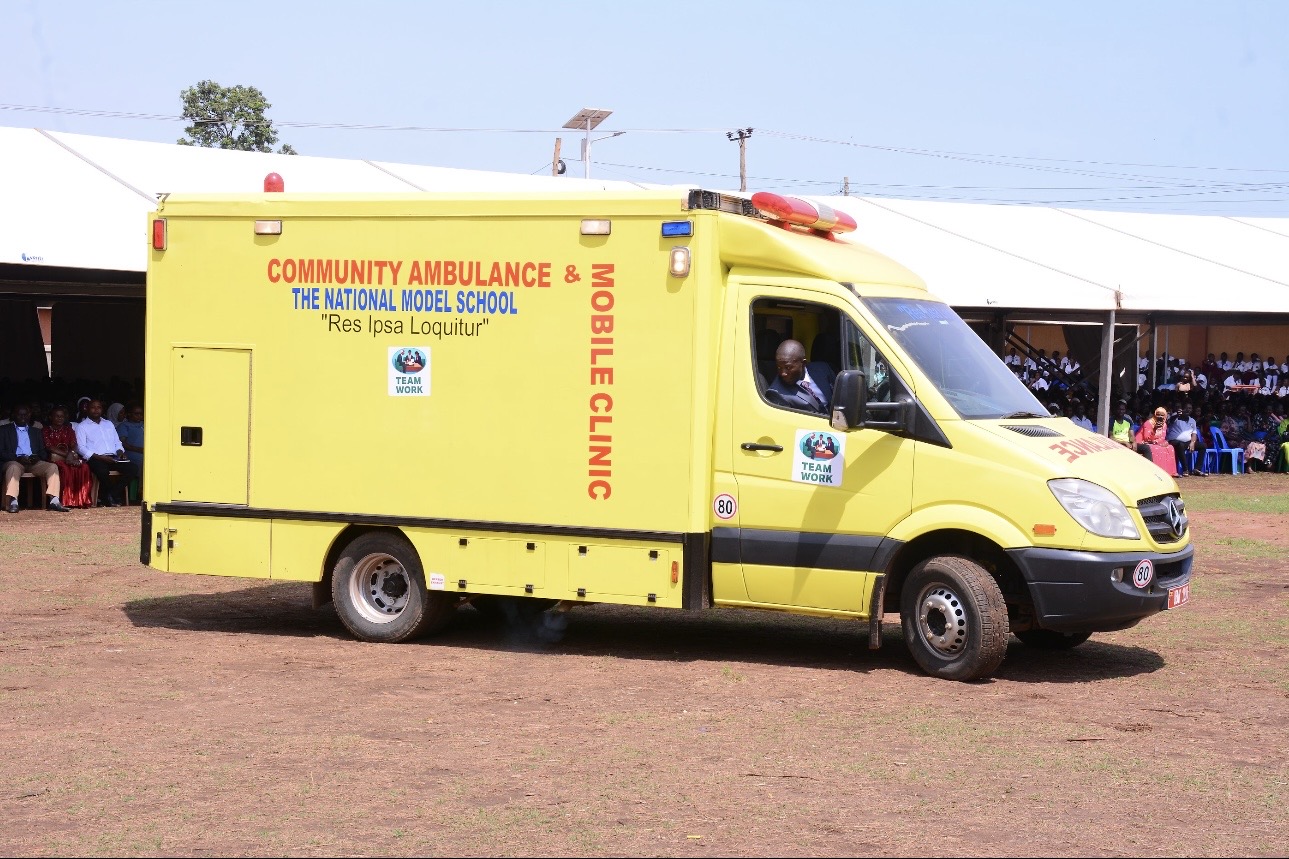
In a bid to strengthen its commitment to the safety and wellbeing of its learners, staff and surrounding community, Kitebi Secondary School acquired a fully equipped community ambulance and mobile clinic.
The facility, secured through the support of well-wishers in the diaspora, was officially launched at the school in Rubaga Division, Kampala, in an initiative that the school leadership said will improve emergency response while extending basic medical support beyond the school.
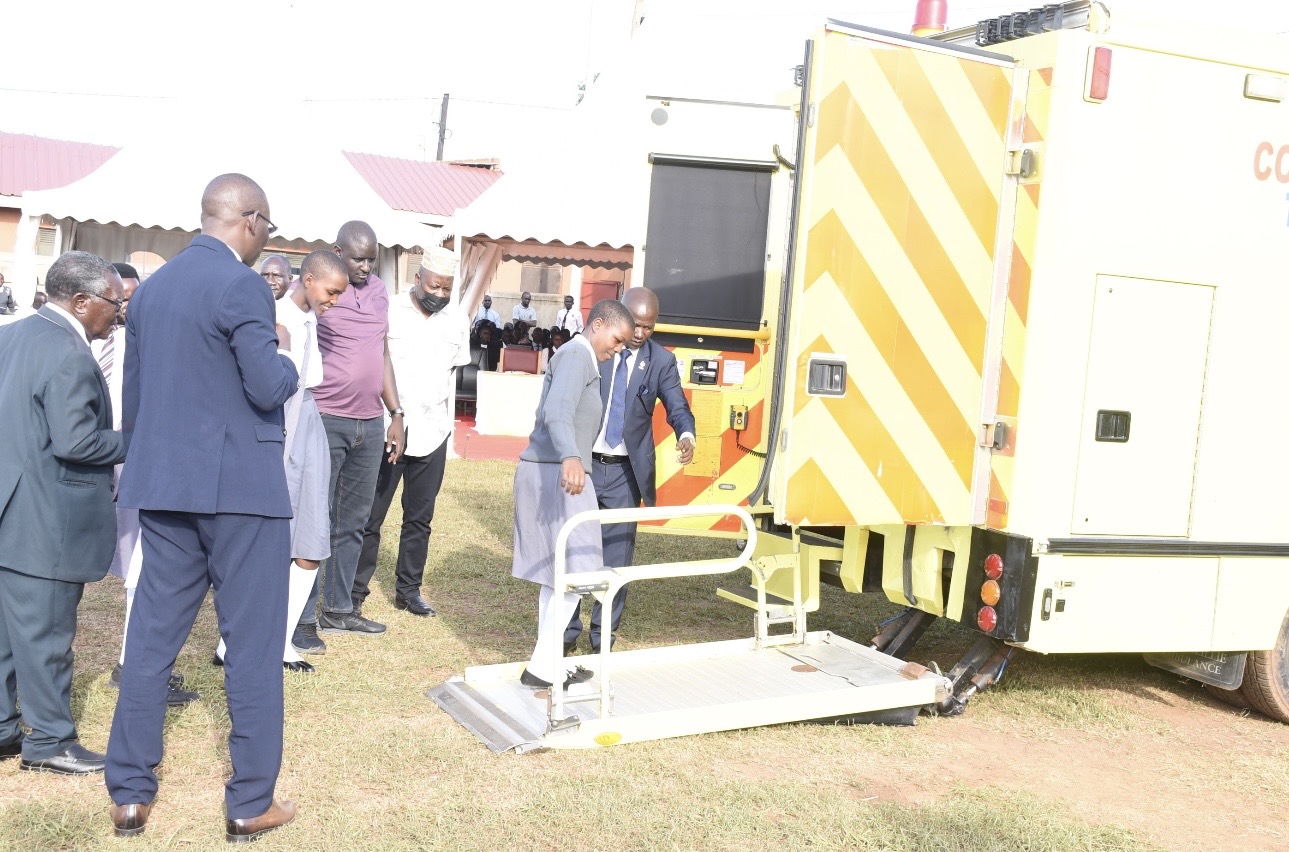
The new facility is designed to serve a dual purpose. In addition to transporting patients to health facilities during emergencies, it operates as a mobile clinic, providing immediate medical attention and basic stabilisation before and during referral to a health facility.
Responding to an emergency gap
While schools and families often have basic arrangements for dealing with routine illnesses and minor injuries, responding to serious medical emergencies remains a challenge, particularly when immediate transport to a health facility is required.
peaking during the launch, Hajj Muhammed Kamulegeya, the school’s Team Leader, noted that many schools have sick bays and basic medical facilities that can provide first aid and manage routine health concerns. However, these facilities are in many cases not be sufficient when a learner, staff member or community member requires urgent specialised care and needs to be transported to a health facility.
Against this background, the death of Mr Richard Muwambi, a teacher at Kitebi Secondary School, during the school holidays in 2024, after reportedly failing to access timely medical treatment, prompted the school leadership to reflect on the consequences of delays in emergency care, particularly in situations where immediate and reliable transport to a health facility is unavailable.
For Hajj Kamulegeya, he said that the experience reinforced the need for the school to strengthen its emergency preparedness and find a solution that could respond to such gaps.
“In critical situations, first aid is not always enough. What matters is how quickly a patient can access advanced medical care.” He added, “We felt it was important to strengthen our emergency preparedness.”
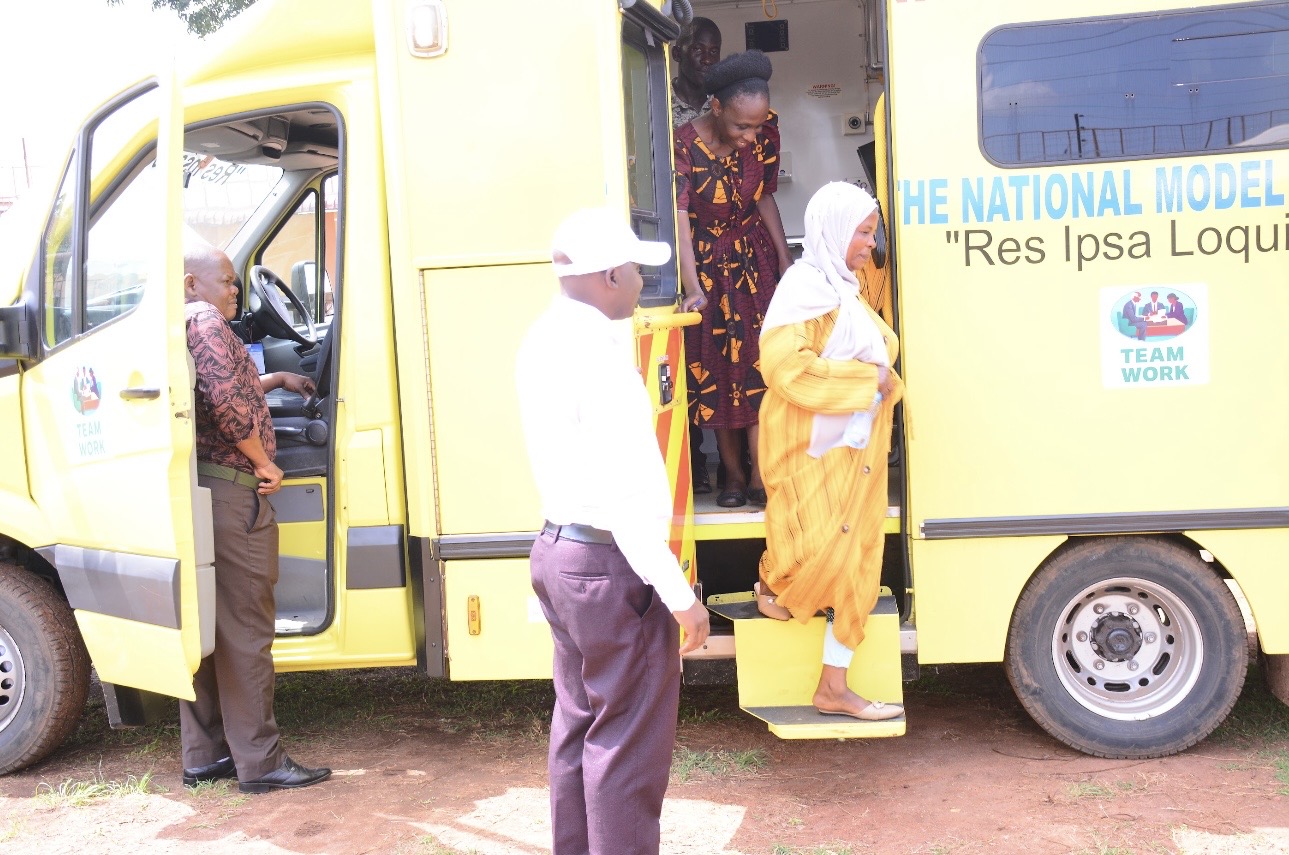
To date, the school’s response extends beyond the provision of basic first aid to establishing a dedicated emergency transport and mobile healthcare facility that serves learners and staff as well as people in the surrounding community.
Hajj Kamulegeya therefore emphasized that the initiative is not solely aimed at improving healthcare within the school, but also reflects the institution’s broader responsibility to contribute to the wellbeing of the community in which it operates and which supports its development.
He said, “This initiative is not just about the school, but about creating a safer and healthier environment for families, mothers and children across the country. A such, participating in community improvement programmes benefits both the students and the wider community.”
The community ambulance and mobile clinic
Unlike conventional school emergency arrangements that often rely on sick bays, referral notes, private vehicles or improvised transport, the Kitebi facility represents a shift towards a more structured emergency response system.
The ambulance is fully equipped with essential medical supplies and is designed to provide immediate care while transporting patients to health facilities.
It also functions as a mobile clinic, giving it an additional role in supporting people who may require medical attention outside the school setting.
According to Reagan Lutaaya, a teacher and senior management officer at Kitebi Secondary School and a former student of the institution, many families in Uganda often incur significant costs when arranging private transport for patients during medical emergencies. However, he says the availability of the ambulance is intended to ease this financial burden while improving the speed and coordination of emergency response.
Mr. Lutaaya said, “This facility is intended to shorten response time, improve coordination, reduce expenses and ensure that critical cases are handled with greater efficiency,”
The facility is also integrated with an online access system through which parents and community members can request its services when the need arises. This is intended to make the service more accessible beyond the immediate school population.
Student’s opinions
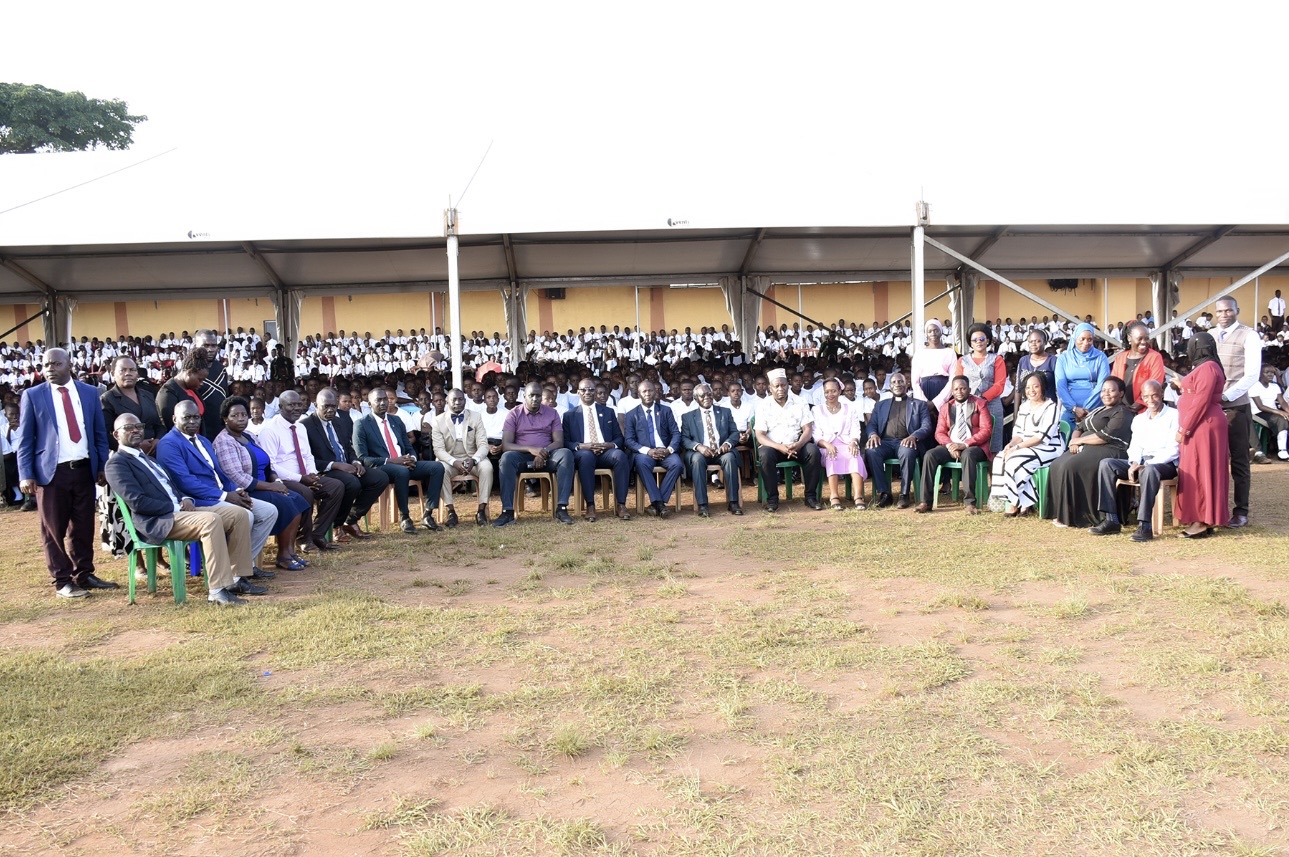
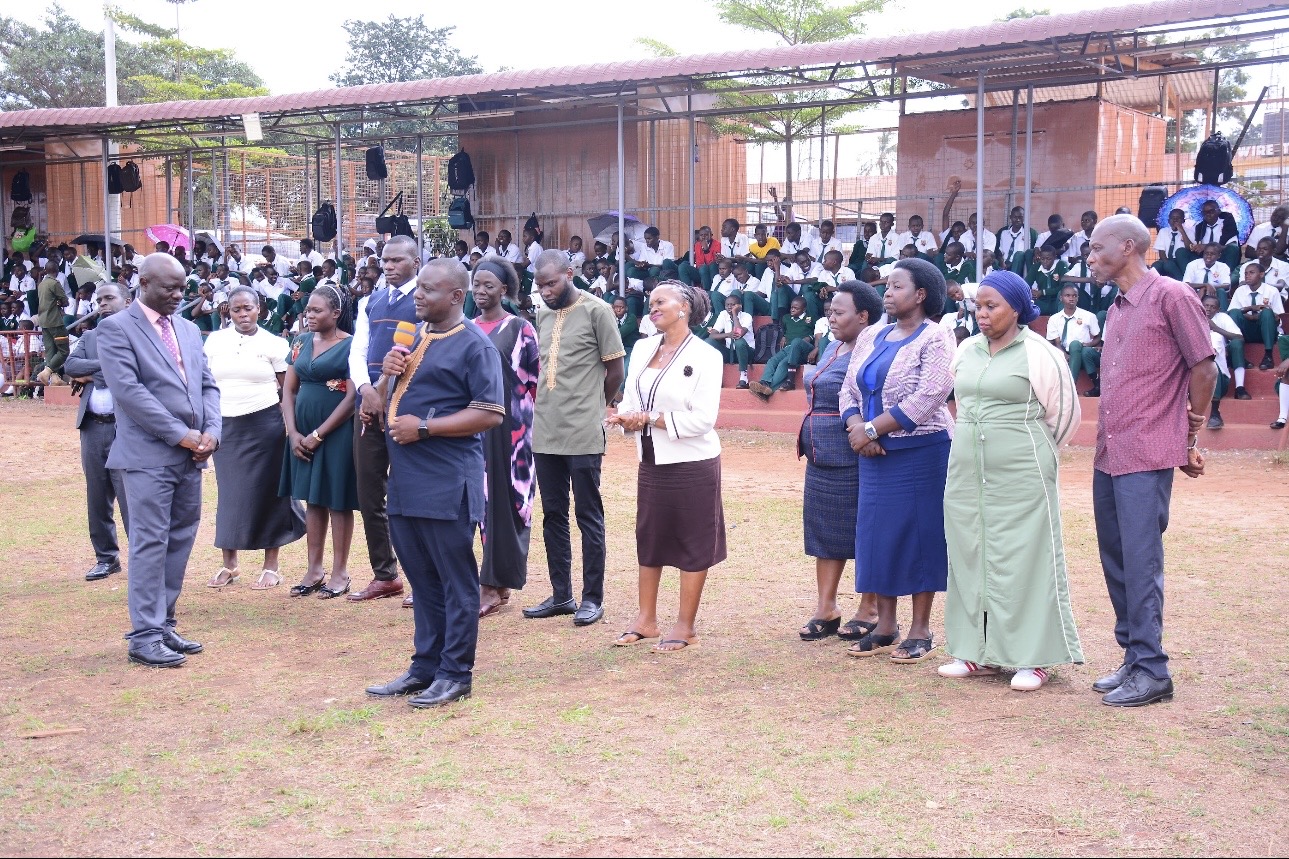
The launch of the ambulance brought together school administrators, teachers, students, parents, well-wishers and members of the surrounding community, who gathered at Kitebi Secondary School to witness the unveiling of the new facility. These were invited in order to familiarise themselves with the facility, learn how it would operate and access some of the services provided during the launch.
For Milly Harriet Namatta, the Prime Minister of Kitebi SS she said that acquisition of the facility marks an important step in strengthening the safety and wellbeing of learners. She commended the school leadership for the initiative and called upon parents and community members to support the project so that it can remain sustainable and continue serving people in need.
Namatta noted that having such a facility within a school is uncommon, describing it as an important investment that would not only improve healthcare for learners, school staff and parents. Another student of Kitebi SS, Sseguya Pasca student, said the school had experienced several medical emergencies in the past without a dedicated ambulance to respond to them. He welcomed the development, saying it would strengthen the school’s emergency response and reduce the risk of minor emergencies escalating because of delays in accessing medical care.
Schools as community lifelines
For Kitebi Secondary School, the ambulance forms part of a broader philosophy that sees a school as more than a place where learners attend classes.
Hajji Kamulegeya in his remarks highlighted that since schools operate within communities and depend on those communities for their growth and development, with parents contributing to school development while simultaneously meeting the demands of family life and livelihoods, he believes that school programmes should respond not only to the academic needs of learners, but also to the circumstances of the communities in which schools operate.
This approach is particularly relevant to health emergencies, including maternal and neonatal complications, where timely access to care can be critical.
Uganda continues to face challenges in maternal and newborn health, with preventable deaths remaining a concern. The availability of reliable emergency transport can help reduce delays in reaching health facilities, particularly in situations where families struggle to arrange transport at short notice.
The school believes that a community-based ambulance can therefore complement existing health services by providing a link between households and health facilities during emergencies.
For this purpose, Mr Lutaaya said, “An ambulance in a community serves many purposes. It improves access to healthcare for community members, teachers and students and can reduce the financial burden on families.”
The initiative also reflects the school’s belief that learners can be exposed to practical forms of community responsibility.
Furthermore, Kitebi Secondary School has continued to engage in activities intended to contribute to the wellbeing and development of the surrounding community. These include clean-up campaigns, blood donation drives, community outreach programmes and tree-planting activities.
Through such initiatives, the school seeks to encourage learners to understand that education extends beyond academic achievement to include empathy, service and responsibility towards others.
Hajj Kamulegeya says, “When you teach children empathy, sharing and community responsibility, it translates into a more united generation, one that can advocate for better services, support each other and contribute meaningfully to societal development.”
The community ambulance and mobile clinic and other contributions towards the society are thus part of a wider vision, positioning the school as an institution that not only prepares young people for the future, but also contributes to solving some of the challenges faced by the communities around it.
As the facility begins its operations, the school leadership hopes that parents, community members and other well-wishers will support its sustainability and utilisation.



Leave a Reply