
The double-shift initiative that helped transform Kitebi Secondary School
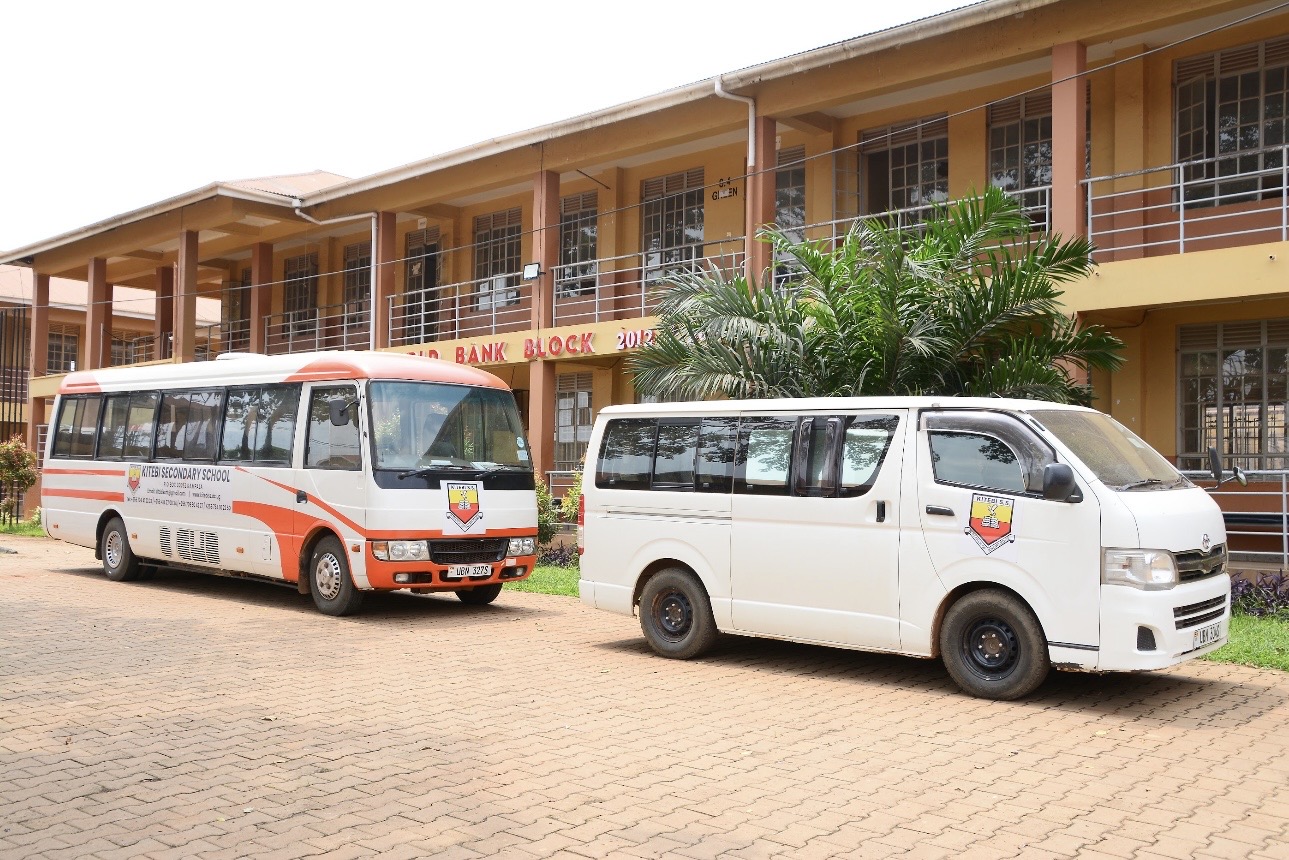
The growth of Kitebi Secondary School is a story of vision, resilience sacrifice and a shared commitment to providing quality education for every learner.
Several years ago, the school experienced an unprecedented surge in enrolment as more families sought affordable, quality education for their children. While this growing confidence in the school was encouraging, it also presented a significant challenge.
The existing infrastructure could no longer accommodate the increasing student population, resulting in overcrowded classrooms and limited learning space. Faced with this reality, Hajj Muhammed Kamulegeya, the Team Leader introduced an innovative solution, the double-shift learning initiative that would allow learning to continue while creating room for expansion.
Understanding the Double-Shift initiative
A double-shift system is an arrangement where learners are divided into two groups that attend classes at different times of the day using the same school facilities.
Under this model, one group of learners attends classes during the morning hours, while another group uses the same classrooms in the afternoon. This allows a school to accommodate more learners without immediately requiring a complete expansion of infrastructure before learning can continue.
For Kitebi Secondary School, the initiative provided a practical solution to a pressing challenge. Instead of turning away learners or interrupting their education because of limited classroom space, the school created a system that allowed more students to access education while construction and expansion plans continued.
Under this arrangement, one group of learners attended classes in the morning while another studied in the afternoon, enabling the available facilities to serve more students as the school embarked on constructing additional classrooms and other essential infrastructure.

School-community collaboration
While the proposal required understanding, trust and collective sacrifice from parents, teachers and learners alike, Hajj Kamulegeya presented the idea, explaining that the arrangement would create an opportunity for the school to expand its facilities and accommodate more learners in the long term.
Recognizing that the initiative would secure a better future for their children, parents embraced the initiative and committed themselves to supporting the school’s long-term vision.
The double-shift system became a symbol of a community working together to solve a common challenge.
Throughout the implementation, learning continued uninterrupted while construction progressed steadily. Every new classroom completed represented another step toward easing congestion and creating a more conducive teaching and learning environment.
Hajj Muhammed Kamulegeya noted that sustainable school development can only be achieved through strong partnerships between school leadership, parents and the wider community.
“Every great institution is built by people who believe in a shared vision. Our parents trusted the process, made sacrifices for the benefit of their children and demonstrated that when a community works together, no challenge is insurmountable.”
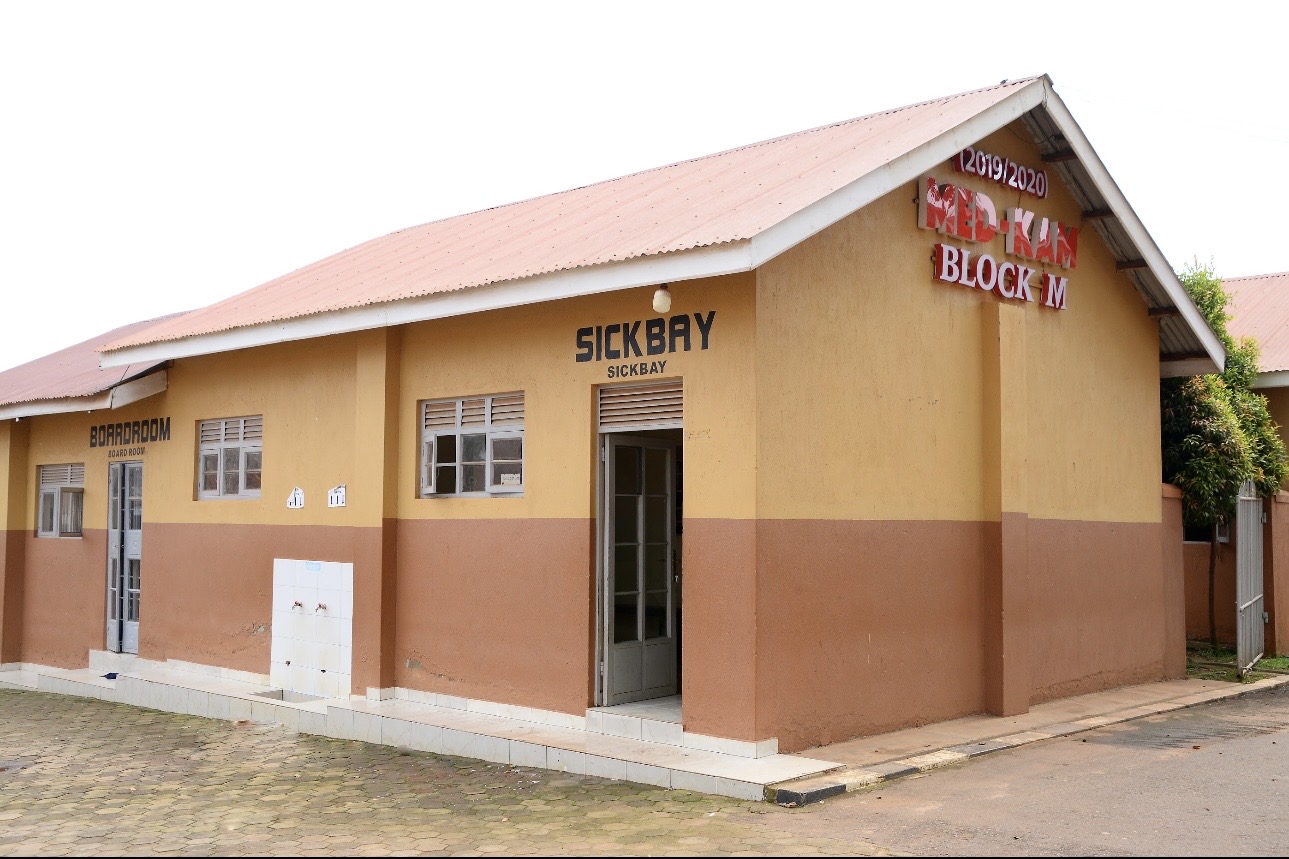
Today, many of the structures that support thousands of learners stand as lasting evidence of that partnership. The classrooms not only provide a better learning environment, but also tell the story of parents who chose collaboration over convenience and invested in the future of generations of learners. These structures also incorporate, a food store, computer lab, library, sick-bay, boardroom, staffroom, and even domitories.
The success of the double-shift initiative continues to inspire the school’s approach to development. It demonstrates that leadership is not merely about identifying challenges but about mobilizing people around practical, sustainable solutions that benefit the entire community.
As Kitebi Secondary School continues to grow, the story of the double-shift initiative remains one of its defining milestones, a powerful reminder that meaningful progress is achieved when visionary leadership is matched by the unwavering support of parents and stakeholders united by a common purpose.



Leave a Reply