
Western region educators benchmark school management practices at Kitebi SS

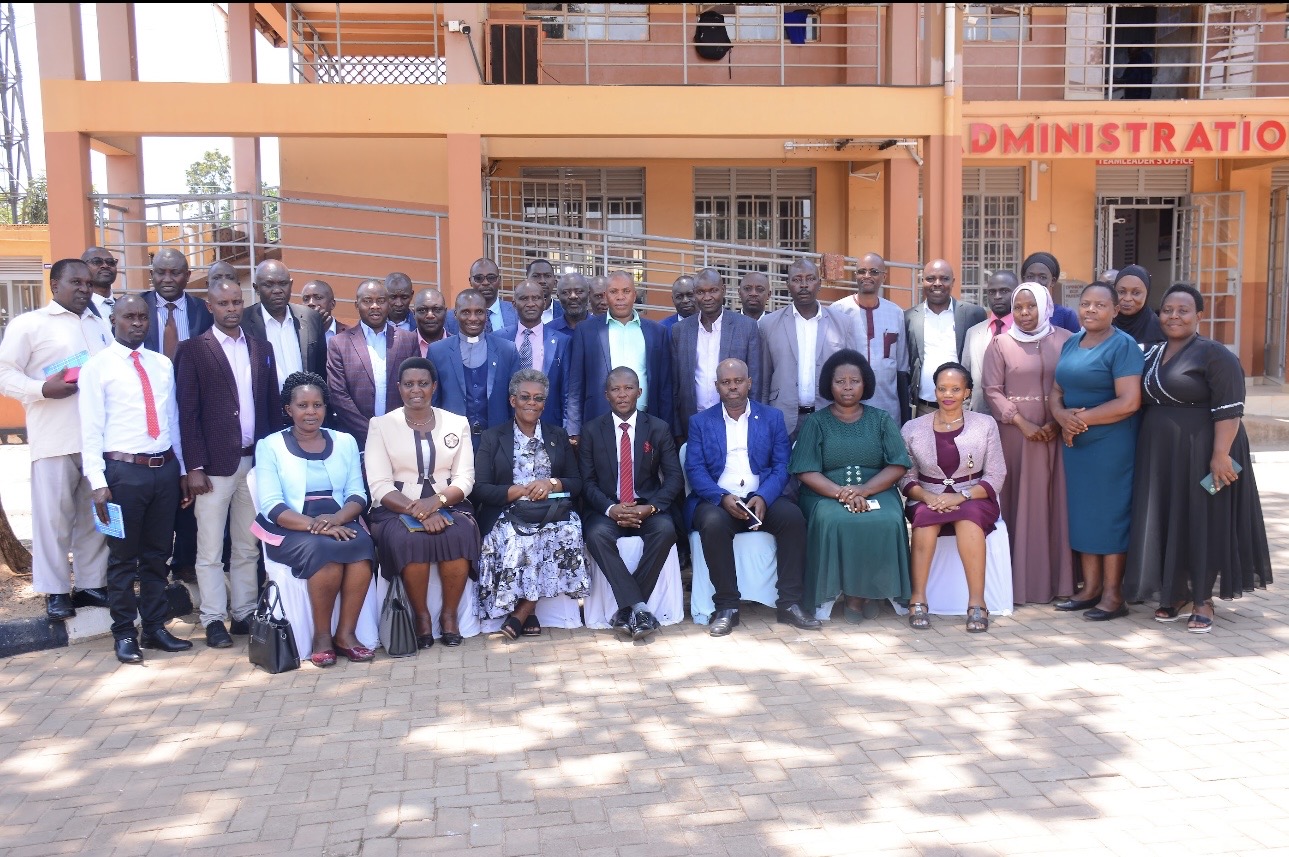
It was an honor for our school, Kitebi Secondary School to welcome a delegation of about 28 secondary school teachers from the South Ankole Diocese for a benchmarking visit aimed at sharing best practices in school leadership, administration, academic management, and learner development.
The visit formed part of the delegation’s efforts to learn from institutions that have established effective systems for delivering quality education despite the increasing demands facing Uganda’s education sector.
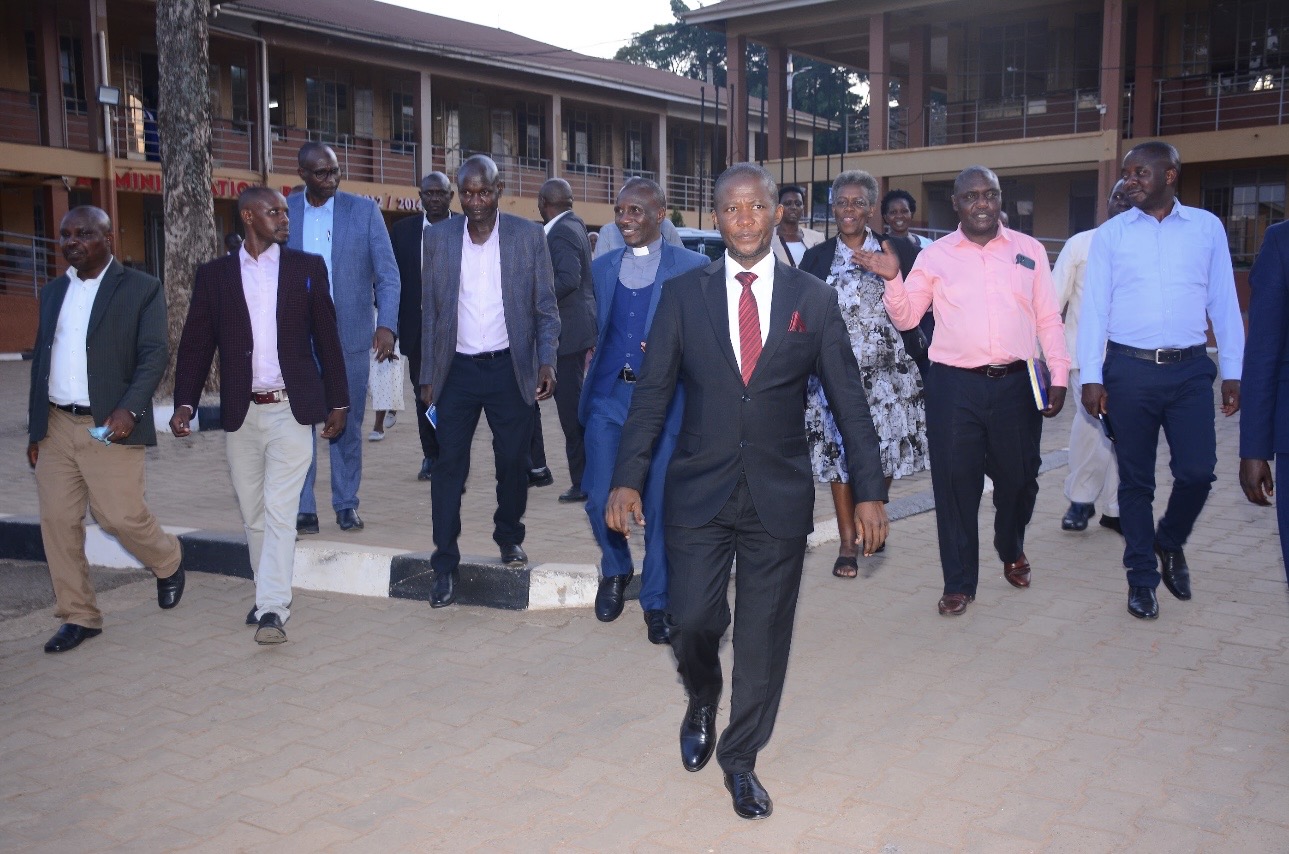
During the visit, the educators toured different sections of the school and were introduced to the administrative and academic structures that have contributed to Kitebi Secondary School’s continued growth and success. They interacted with members of the school management, teachers, and representative from the school prefectorate body, while gaining first-hand experience of how various systems are implemented.
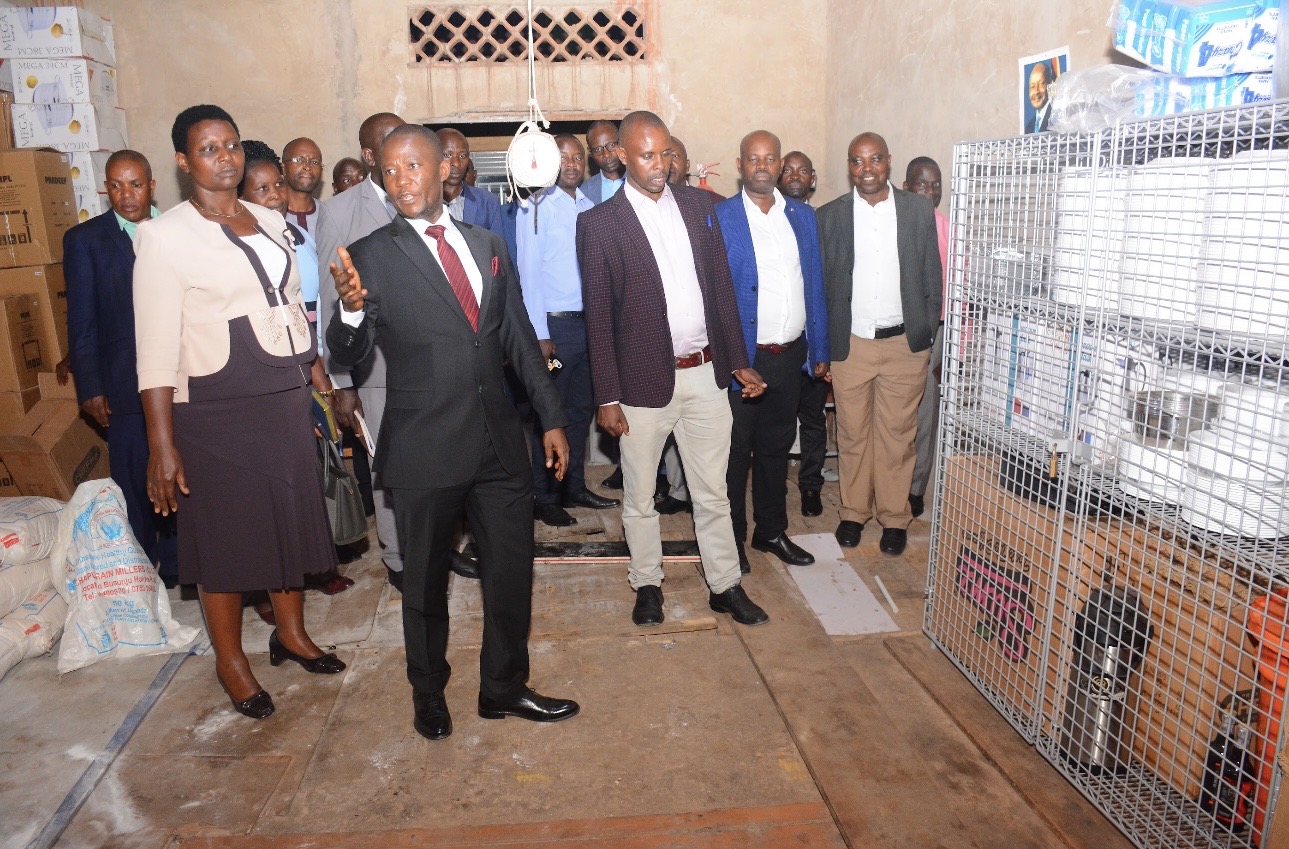
Among the areas showcased were the school’s learner tracking system, academic monitoring, classroom management, discipline, financial accountability, staff coordination, leadership structures, and co-curricular programmes. Other sections toured included, the school library, computer room, domitories with clean and well maintained washrooms, pitches, classrooms, staffroom, Head Teachers’ office and others.
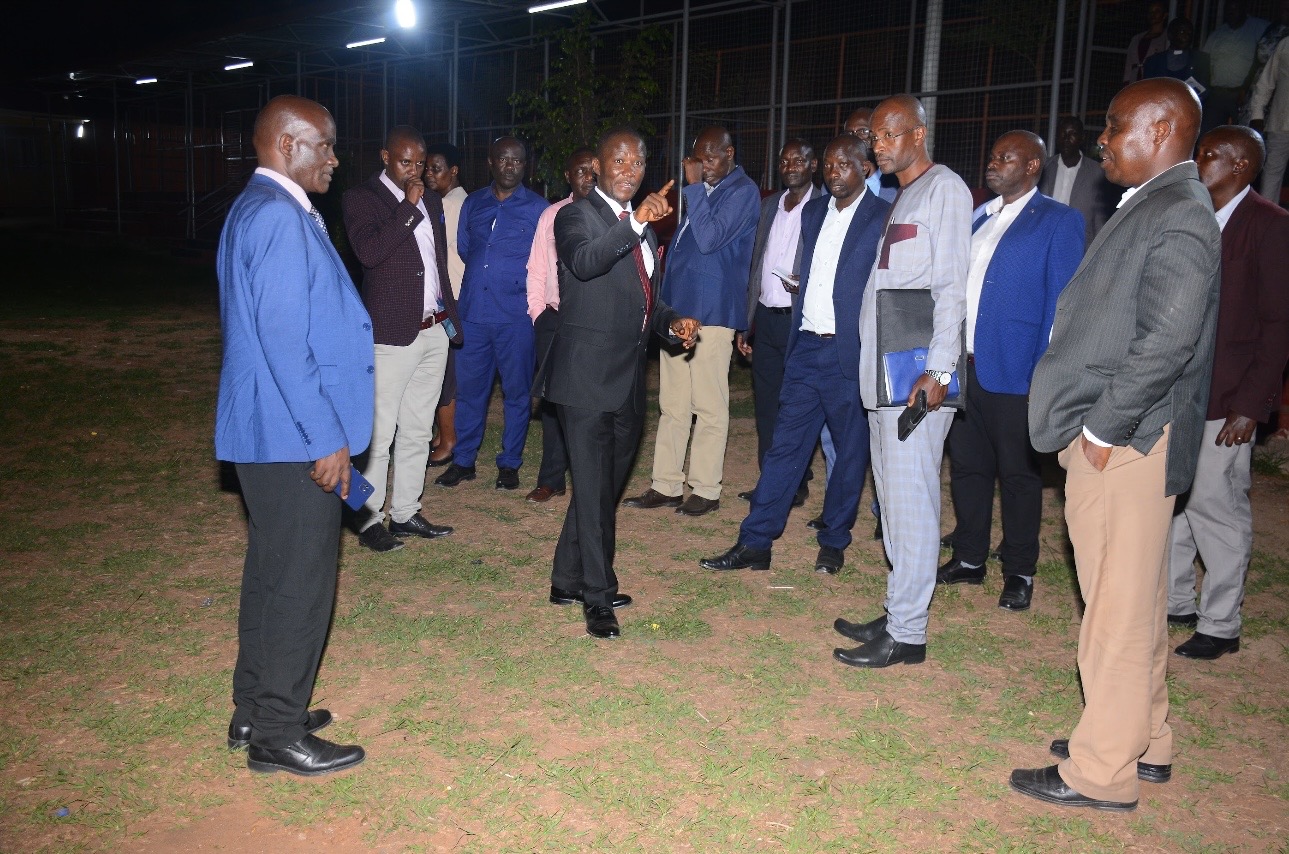
Speaking during the benchmarking session, Hajj Kamulegeya, the Team Leader of Kitebi Secondary School, emphasized that benchmarking is one of the most effective ways through which schools can continuously improve.
“When schools learn from one another, they create opportunities to strengthen leadership, improve service delivery, and ultimately provide better learning experiences for students,” he noted.

He explained that successful schools are built on well-coordinated systems rather than individual effort, adding that every member of staff has a clearly defined role that contributes towards achieving the school’s vision. As such, delegating is critical and involves choosing competent individuals to take on the different assignments.
Hajj Kamulegeya also shared the school’s leadership philosophy, which focuses on strategic planning, continuous evaluation, teamwork, accountability, and effective utilization of available resources. He encouraged education leaders to regularly review their institutions’ strengths and challenges while adopting innovative solutions that respond to the changing needs of learners.
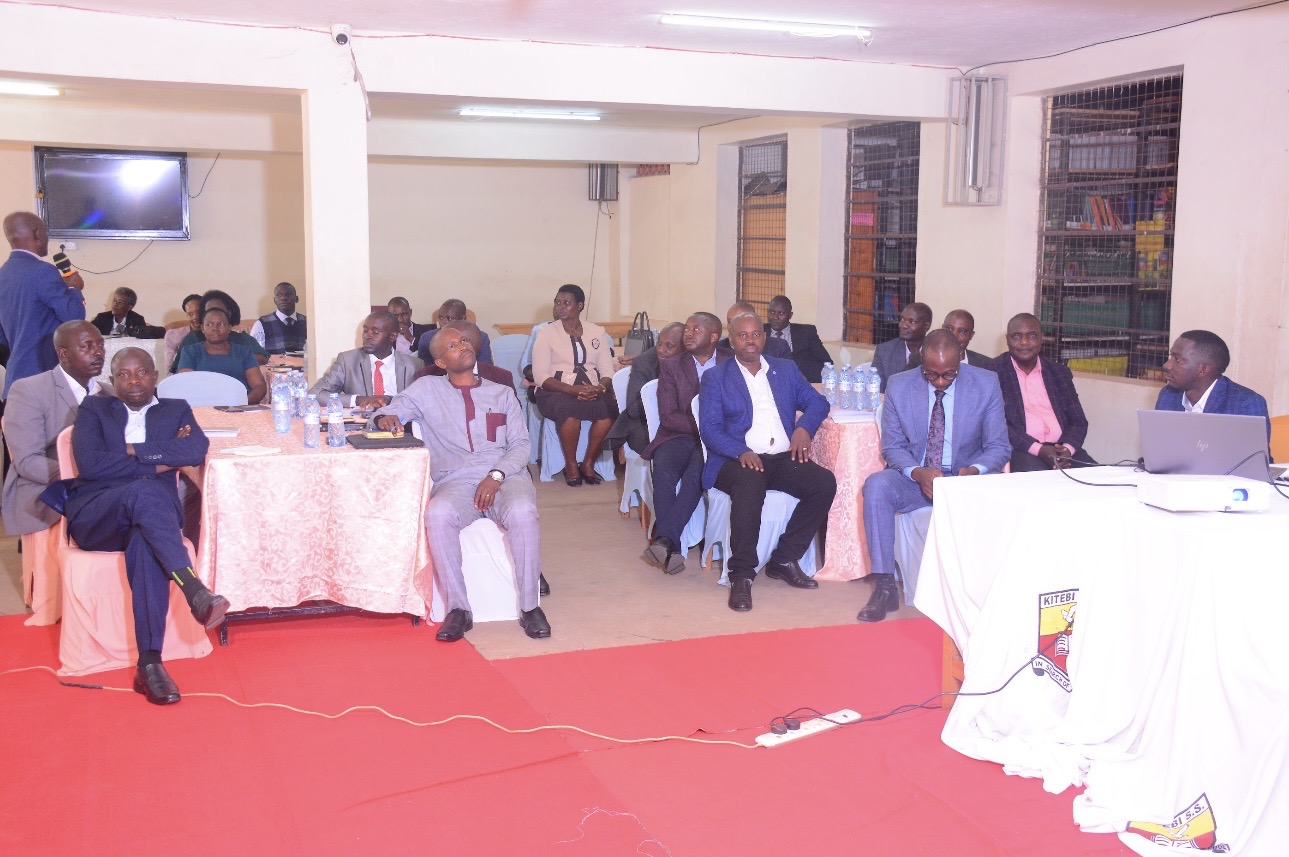
The visitors were introduced to Kitebi Secondary School’s learner tracking system, which enables the school to closely monitor attendance, academic progress, discipline, and learner welfare. According to Hajj Kamulegeya, such systems allow school administrators to identify challenges early and provide timely support to learners.
He further noted that maintaining high standards requires consistent supervision, proper planning, effective communication, and a school culture built on discipline, responsibility, and shared values.
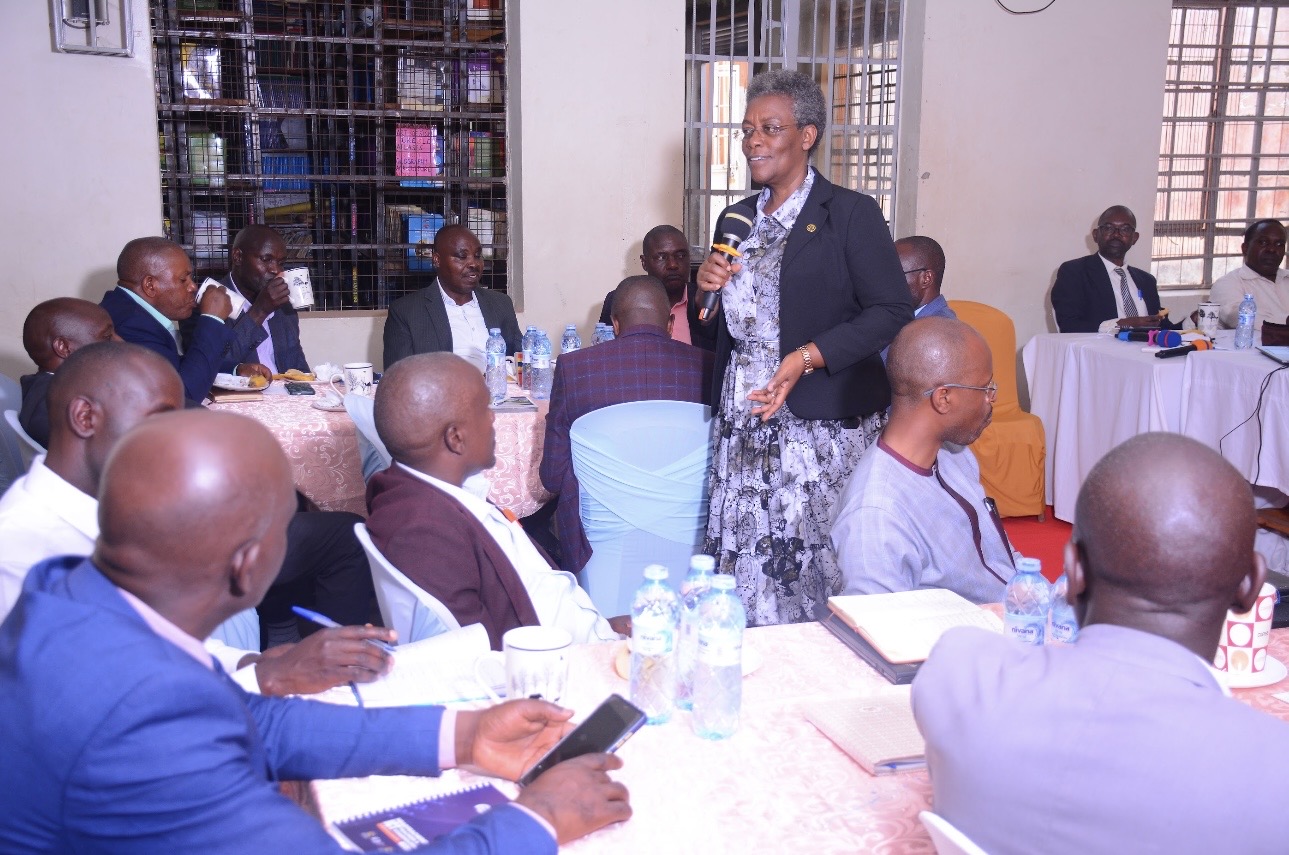
The delegation commended Kitebi Secondary School for its organized administrative structures, learner discipline, commitment to academic excellence, and willingness to share experiences with fellow education institutions.
The visiting educators observed that the benchmarking exercise had provided practical ideas that could be adapted within their respective schools to improve administration, teaching, and learner outcomes.

The visit concluded with a renewed commitment to strengthening collaboration among schools through continuous professional exchange, knowledge sharing, and mutual learning.
As an institution committed to holistic education, Kitebi Secondary School continues to open its doors to fellow educators, believing that collaboration and the sharing of best practices are essential in improving the quality of education and preparing learners for success in an ever-changing world.


Leave a Reply