

Kitebi Secondary School hosts ASSHU leadership meeting
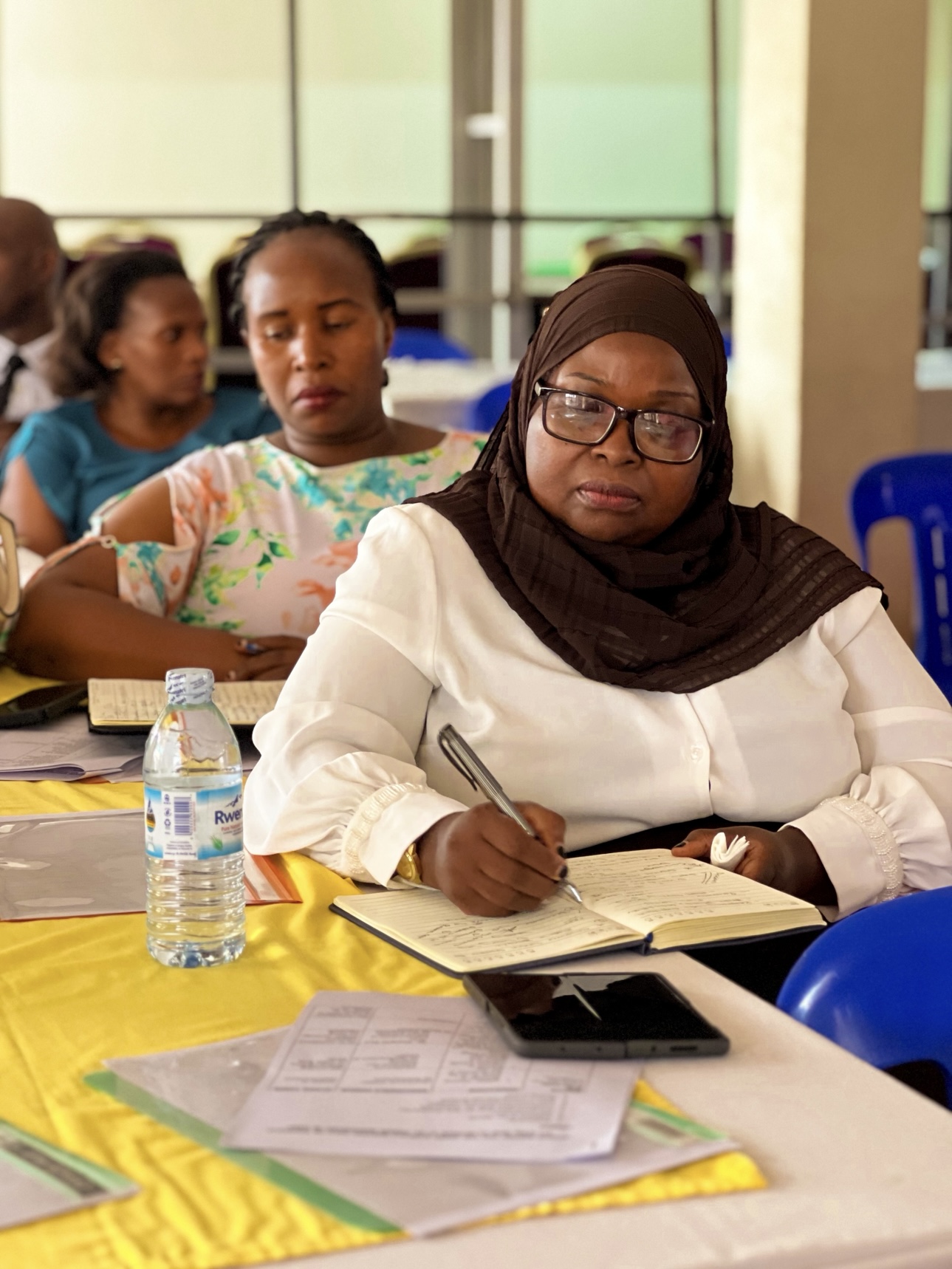
Kitebi Secondary School has hosted over 23 headteachers under the Association of Secondary School Headteachers of Uganda(ASSHU), Kampala region for a meeting aimed at strengthening school leadership, mobilisation and benchmarking.
The meeting, held at Kitebi SS found in Wankulukuku in Rubaga Division, followed an earlier ASSHU engagement held at St. Denis Ssebuggwawo SS Ggaba on June 4, 2026, where the school leaders discussed issues affecting the management and development of their institutions.

In a bid to implement and find a way forward, the engagement at Kitebi SS provided an opportunity for the headteachers to revisit some of the issues discussed previously, share experiences and explore practical approaches to challenges affecting schools.
The meeting was chaired by the ASSHU Chairperson for the Kampala region, Dr. Martin Muyingo, who is also the Headteacher of Makerere College.
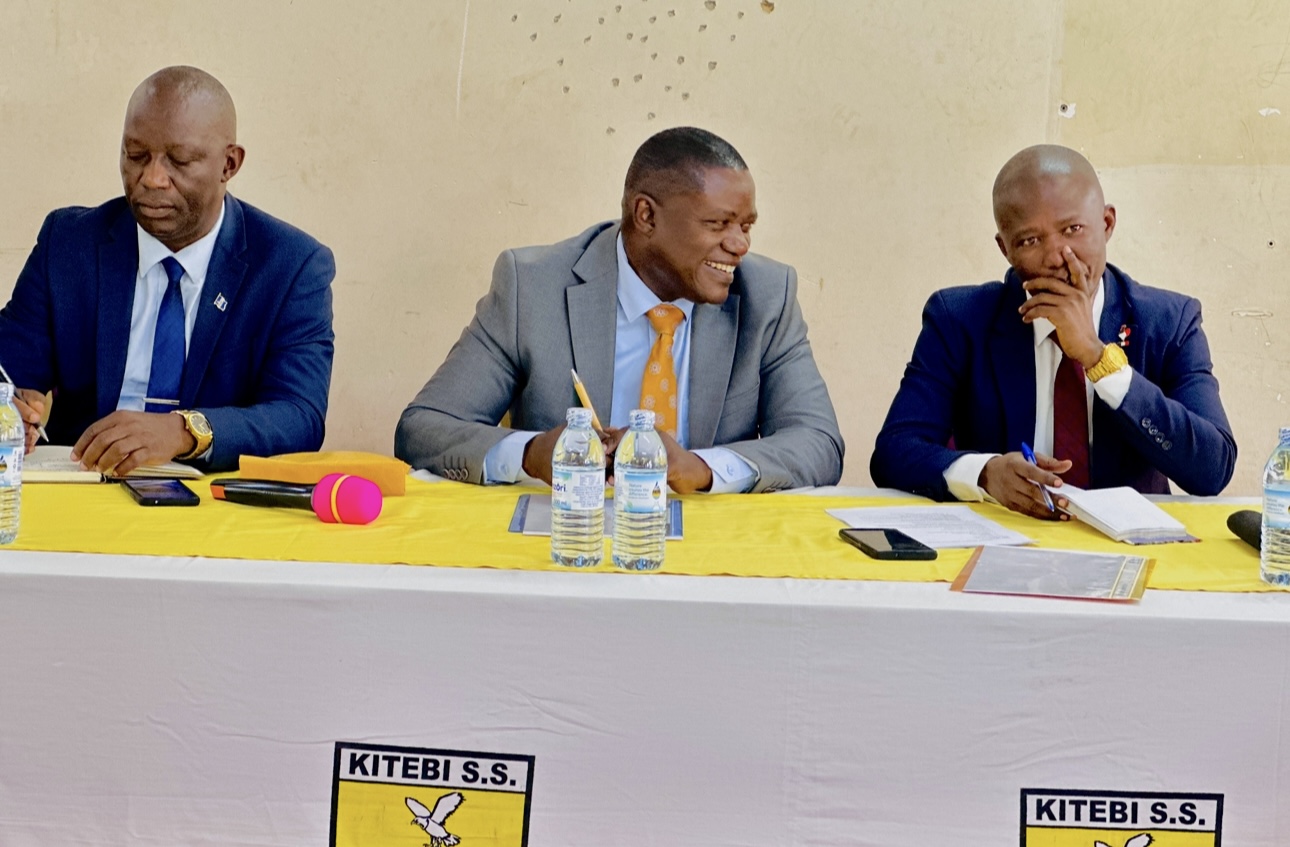
Message from the host
Addressing the headteachers, Adv. Haj Muhammed Kamulegeya, Headteacher and Team Leader of Kitebi SS, also the Secretary of ASSHU Kampala region commended them for the work they are doing in their respective schools despite the different challenges they face.
He encouraged the headteachers to change the world through their actions and also to move beyond ideas and take practical steps to see that they create the change they envision.

He emphasised, “Small actions are better than big ideas in your heads, adding that the decision by the headteachers to attend the meeting was itself an important step towards strengthening their schools.
The meeting also provided a platform for the headteachers to discuss challenges that are common across schools, including low enrolment, limited space and competition for grades aong others.


On the otherhand, Dr. Muyingo noted that Uganda has schools established under different backgrounds, including religious foundations, private ownership and government programmes such as USE and non-USE schools. Upon this background, he commended the headteachers for their resilience in sustaining their schools despite the challenges associated with running educational institutions.
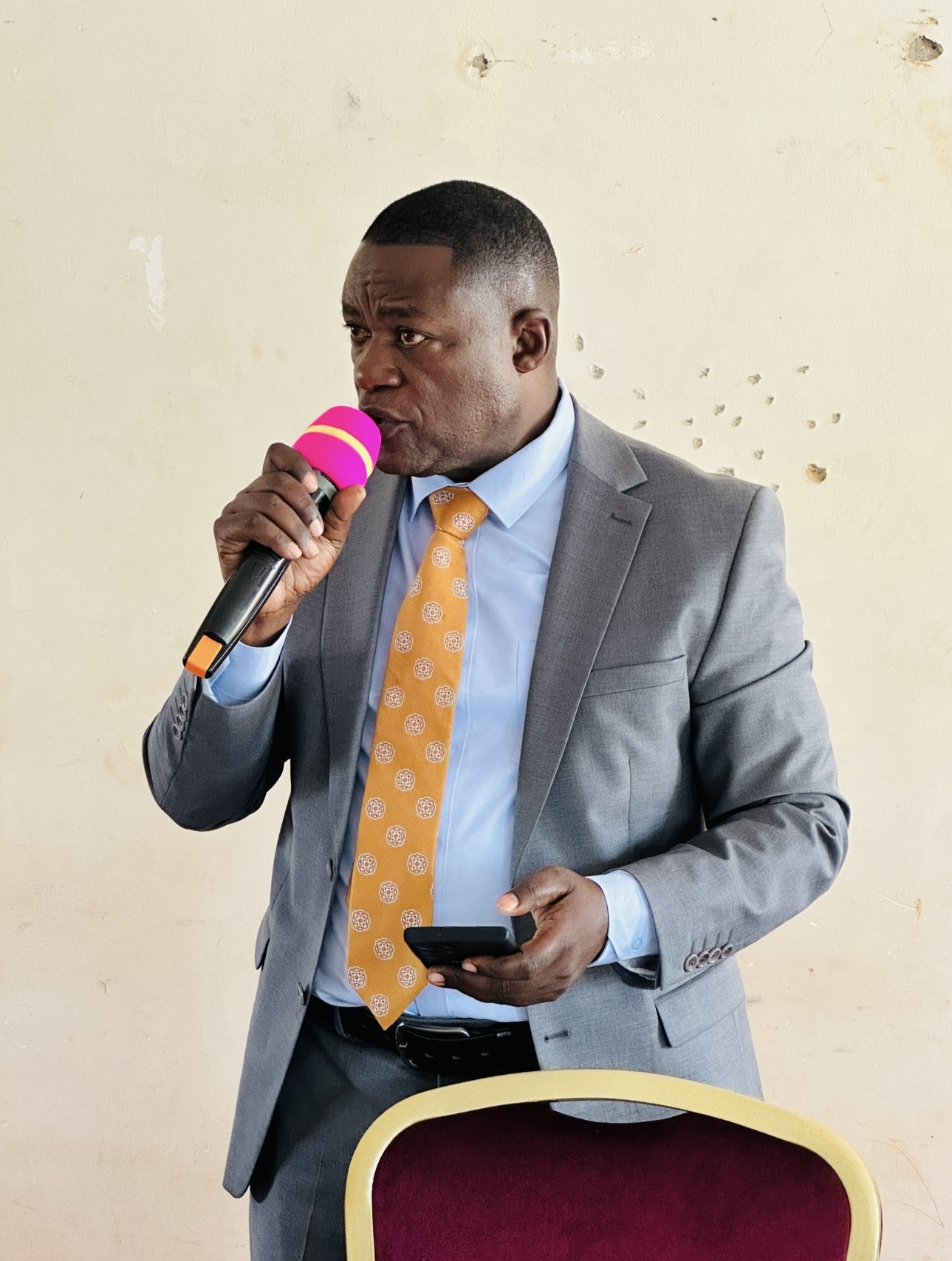
He added that platforms such as ASSHU meetings enable headteachers to network and benchmark with one another, allowing them to learn from schools that have developed successful approaches to similar challenges.
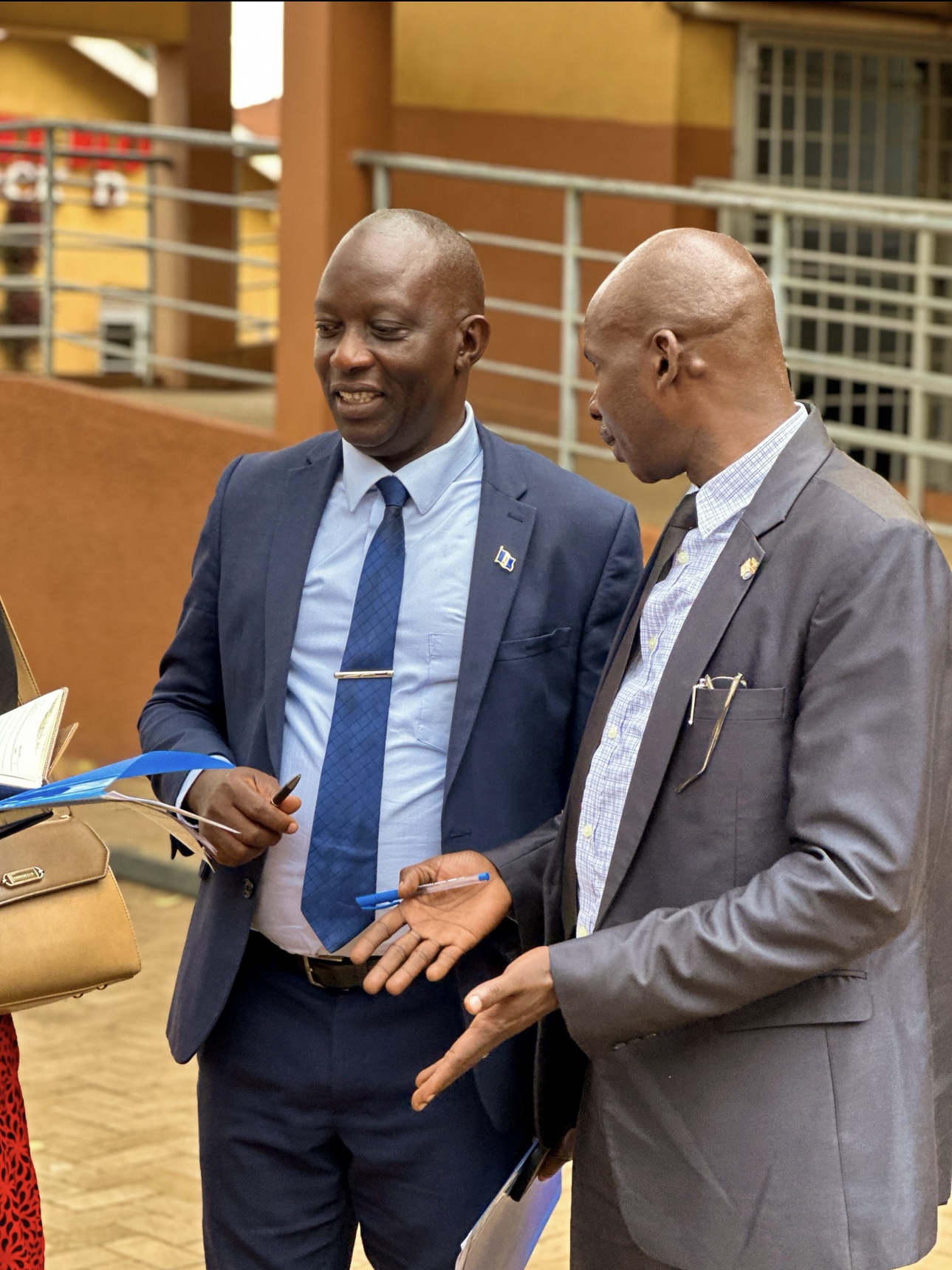
On the challenge of low enrolment, Hajj Kamulegeya encouraged schools to consider approaches that can make their institutions more accessible to learners. He noted that the focus should not always be on charging higher fees, but also on considering ways of reducing fees where possible to allow more learners to access the schools.
The headteachers were also encouraged to benchmark academically by seeking ideas from schools with good performance and working with their teachers to identify areas that require improvement.

Need for ICT in school leadership
During the meeting Dr. Muyingo also highlighted the need for schools to embrace smart leadership through the use of Information and Communication Technology (ICT).
The ASSHU Chairperson thus encouraged headteachers to adopt ICT in their daily management of schools, noting that technology can make administration more efficient, improve the management and accessibility of school data and support faster decision-making.
Kitebi Secondary School was cited as an example of a school embracing technology in its management systems.
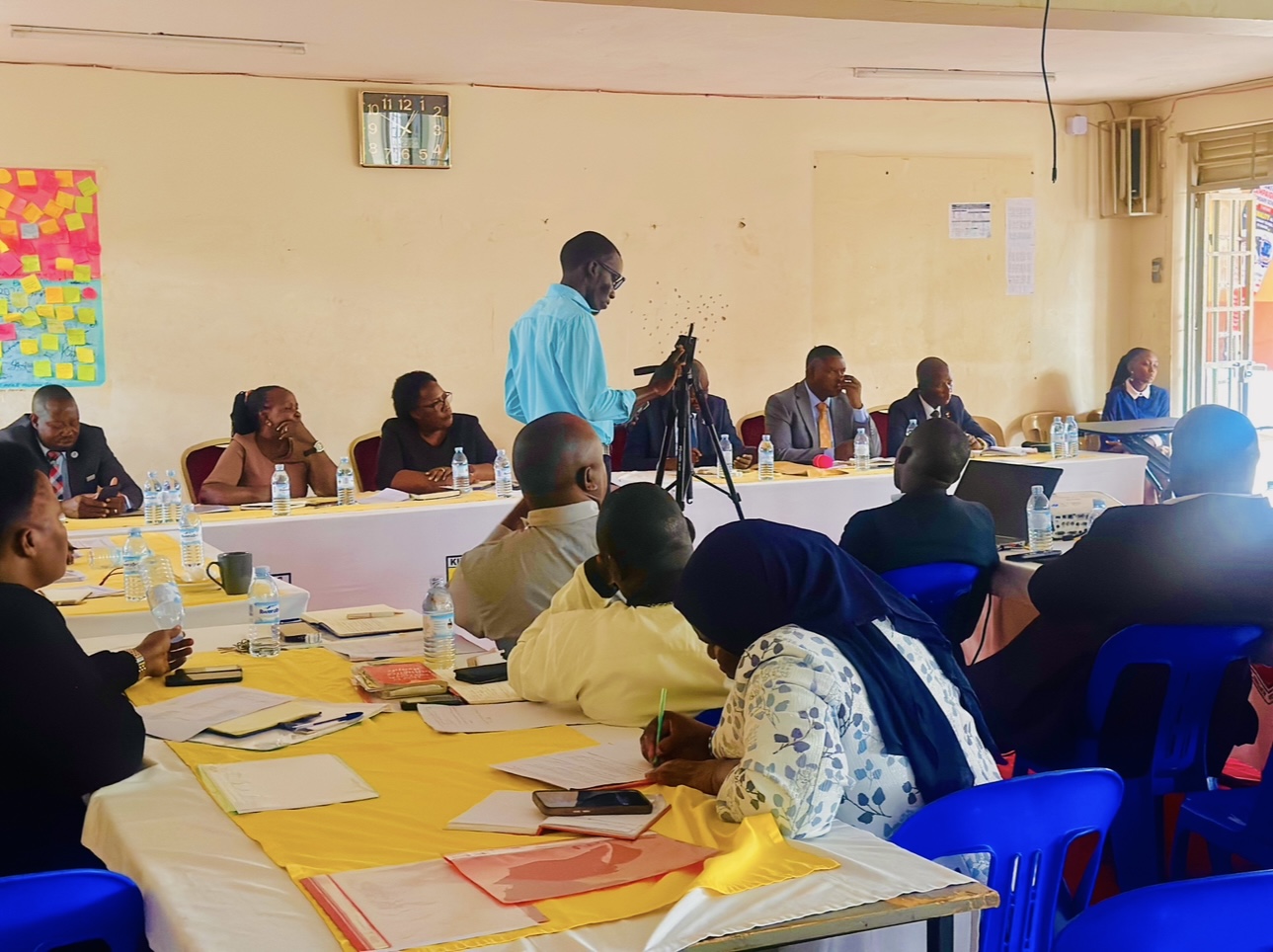
Managaing Staff
The headteachers were also reminded of the need to ensure proper management of their staff.
They were cautioned about teachers who work in several schools at the same time and encouraged to ensure compliance with the relevant employment regulations.
The meeting further emphasised the importance of ensuring that eligible staff are registered and make the required contributions to the National Social Security Fund (NSSF).
Strengthening ASSHU participation
The headteachers also discussed the need to strengthen participation in ASSHU activities, particularly among private schools that have not been actively participating in the association’s programmes.
Sensitisation and mobilisation were proposed as some of the ways of encouraging more schools to participate.

In the capacity of being an Advocate, Haj Kamulegeya noted that where there are established regulations governing participation in professional associations, they should be followed to ensure members come on board.
The ASSHU Chairperson also encouraged the headteachers to register and participate in the Public Administrators Association to further strengthen their professional networks.

Preparing learners for examinations
With only a few weeks remaining before the 2026 candidates sit their Uganda National Examinations Board (UNEB) examinations, the meeting also addressed the need for schools to intensify academic preparation. Mr Peter Hormisdas Ssenyimba, Headteacher of Luzira Secondary School and Chairperson of SESEMAT (Secondary Science and Mathematics Teachers’ Programme) for the Kampala Region, urged schools to make effective use of the limited time available to ensure candidates are adequately prepared for the examinations.

He encouraged schools to strengthen revision programmes and closely monitor learners’ progress, with particular attention to areas that candidates commonly misunderstand or find challenging. He further emphasised the importance of identifying learning gaps early and providing targeted support to help learners improve their understanding and confidence ahead of the examinations.
ASSHU resolutions
The headteachers proposed that the ASSHU Annual General Meeting (AGM) conference be moved to Term One to allow adequate time for mobilisation and preparation.
They also proposed the development of an annual calendar showing ASSHU programmes and activities throughout the year, so that the headteachers can work on attendance with reference to the calendars.

From the recently concluded front desk managers’ customer care workshop, they proposed training for different categories of school staff, including security personnel, bursars and other support staff. The proposed trainings are intended to equip staff with skills relevant to their roles and ensuring effective service delivery in schools.
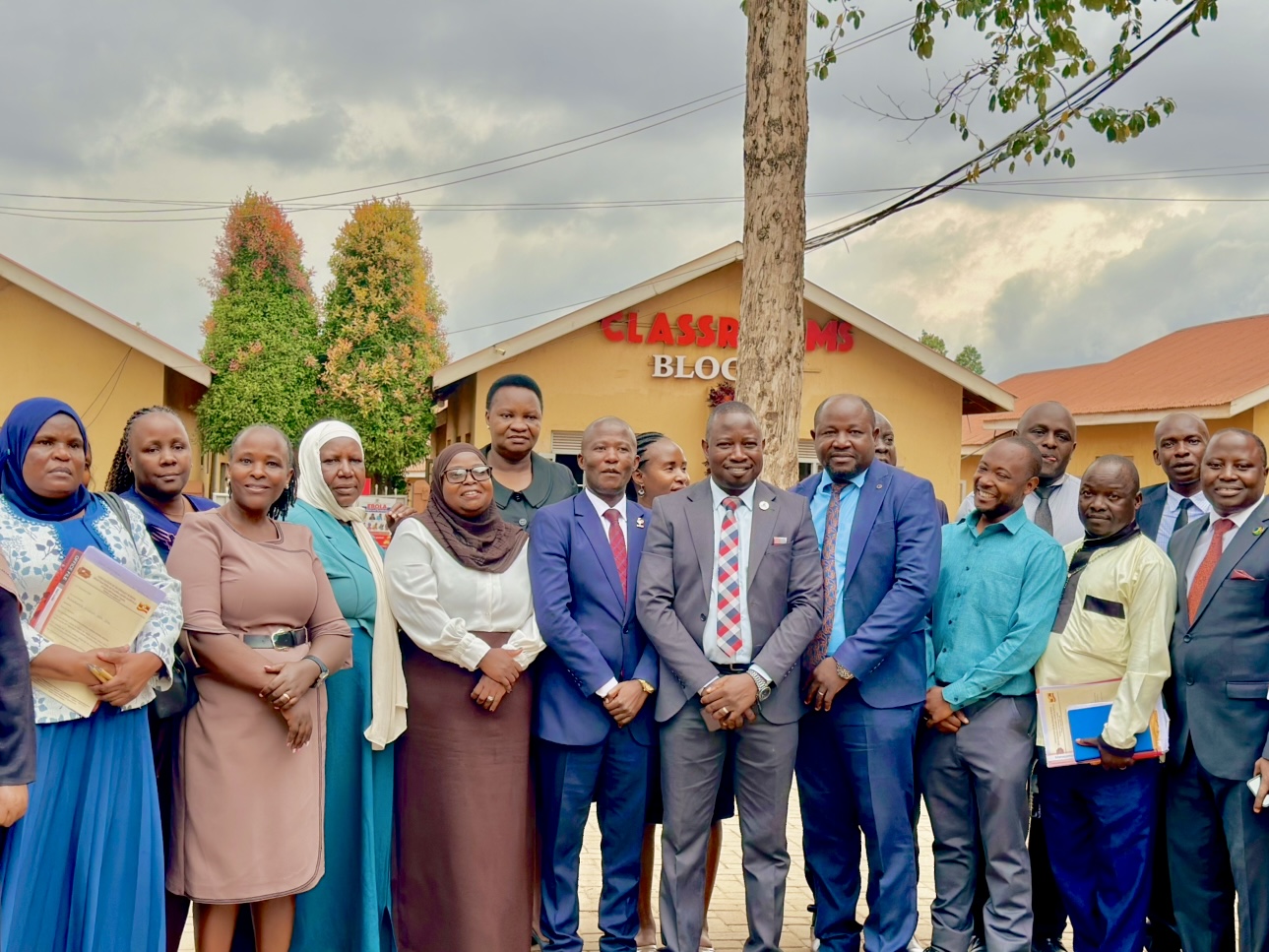

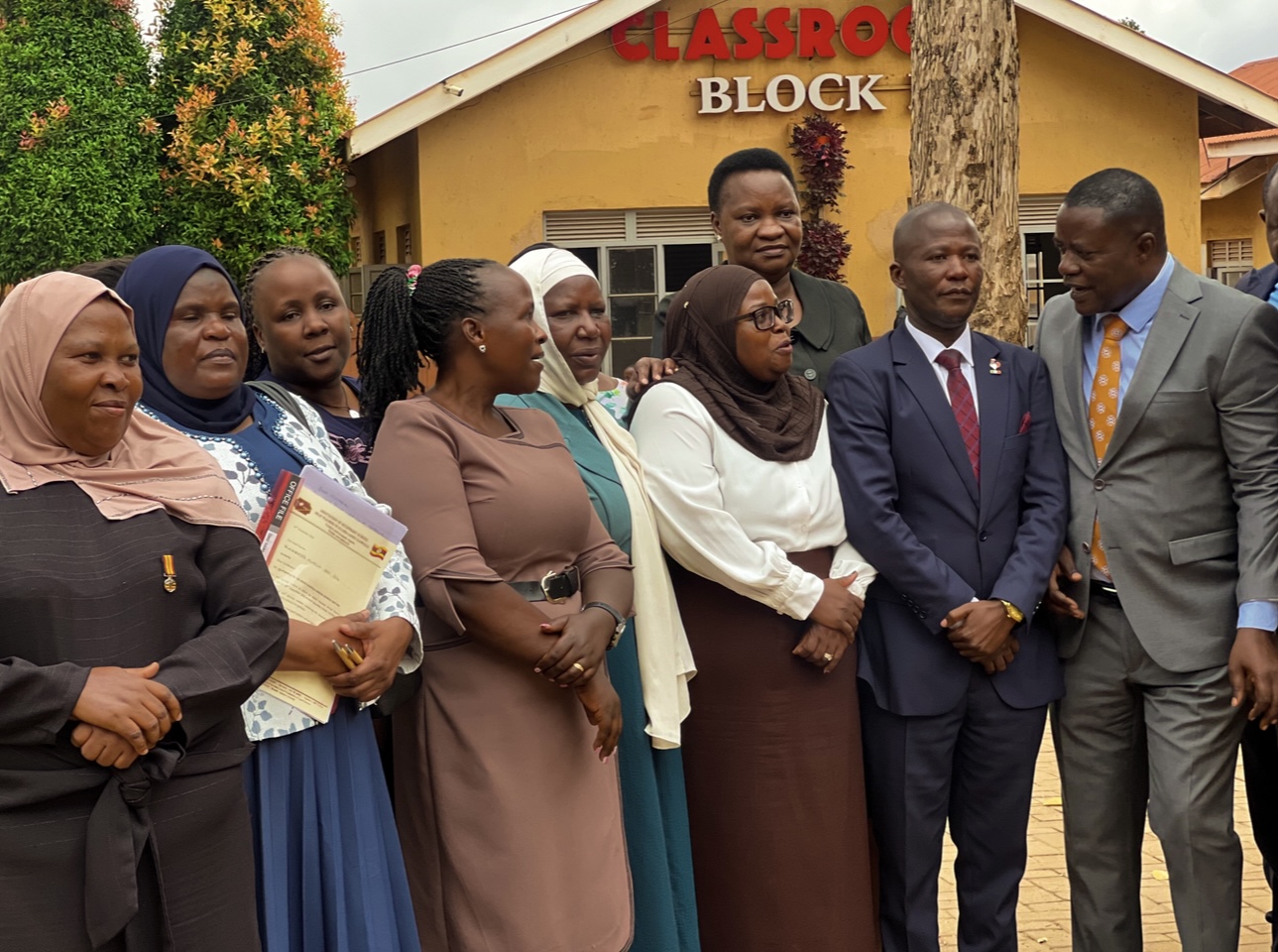
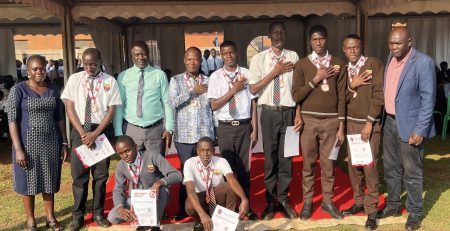
The engagement concluded with a group photograph, networking and lunch at the school.



The meeting provided the school leaders with an opportunity to exchange experiences, learn from one another and explore practical approaches to strengthening the management and performance of their schools.








Leave a Reply