
StateHouse Comptroller Ms Barekye launches Kitebi SS Patriotism Development programme, urges learners to prioritise education
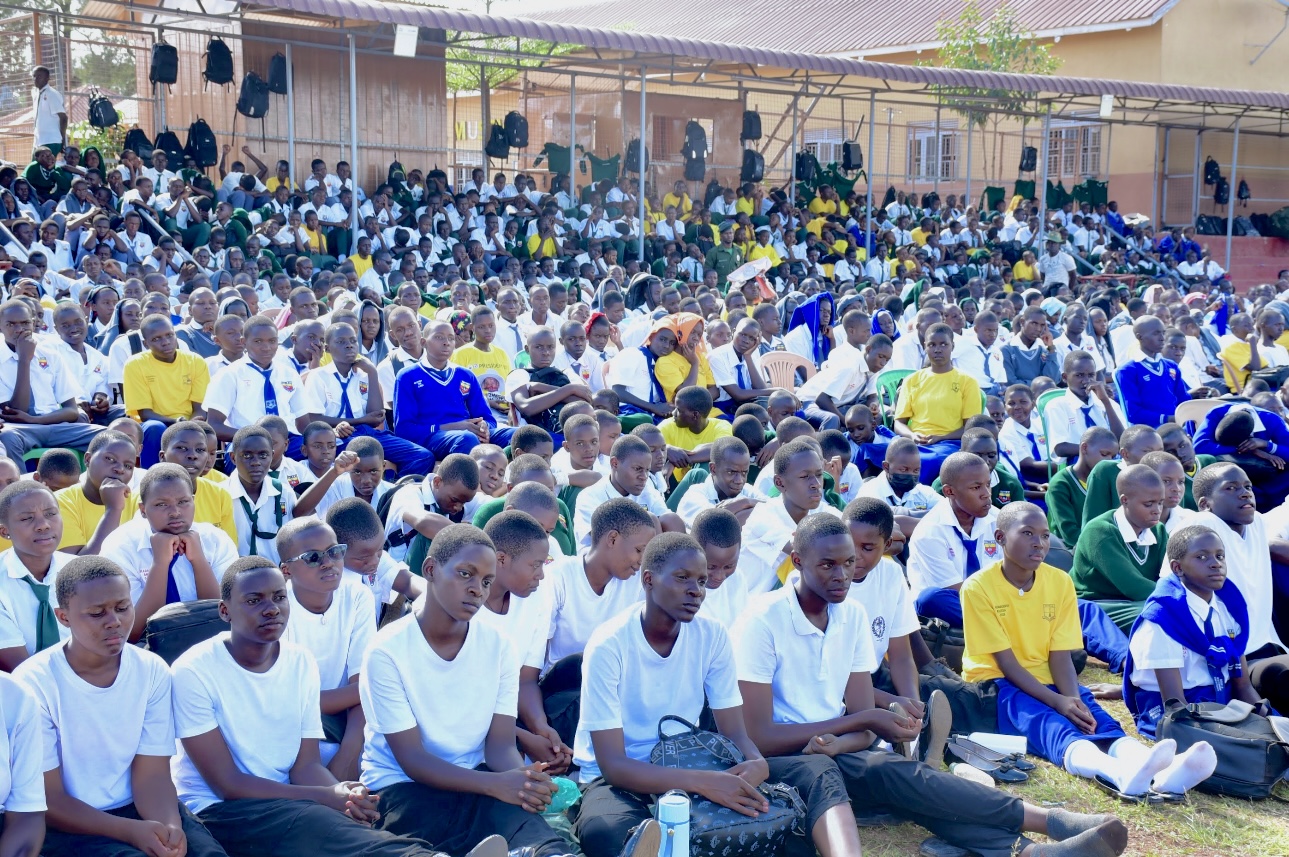
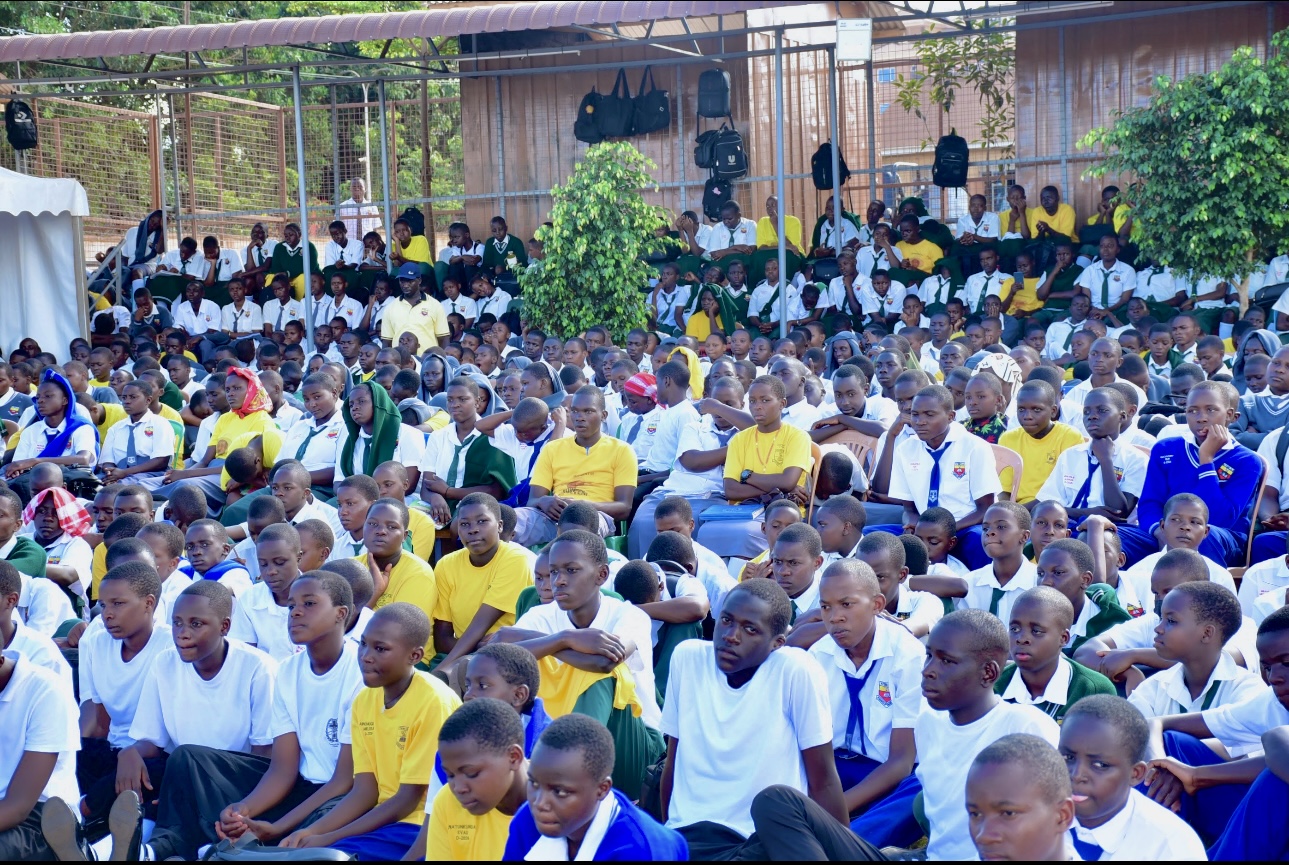
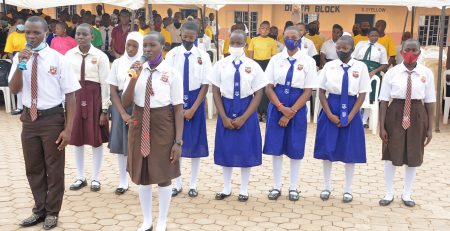
At the beginning of the year 2026, Kitebi Secondary School strengthened its commitment to nurturing disciplined, focused and patriotic learners through a five-day orientation and patriotism development programme that brought together more than 3,000 students, including more than 1,500 newly admitted learners.
The programme, organised in collaboration with the National Secretariat for Patriotism Corps (NSPC), was designed to help new learners settle into the school environment while introducing them to values, knowledge and attitudes that can support their academic journey and personal development.
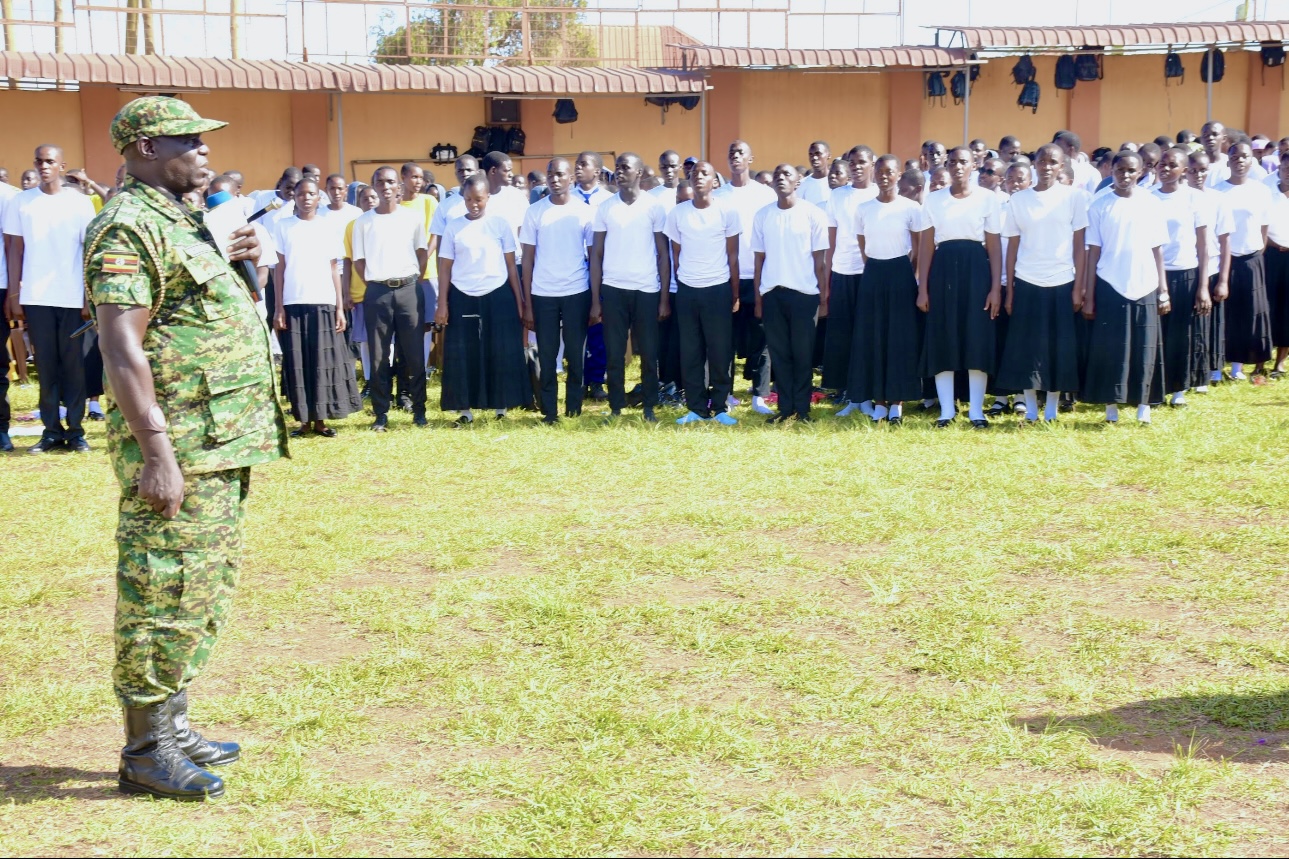
The initiative came at a time when schools are increasingly expected to look beyond classroom instruction and equip learners with the discipline, values and life skills required to navigate the challenges of adolescence and prepare for responsible adulthood.
At Kitebi, the orientation therefore provided an opportunity for learners to understand the expectations of the school, appreciate the importance of education and reflect on their individual responsibilities to themselves, their families, the school and the country.
Building the right mindset
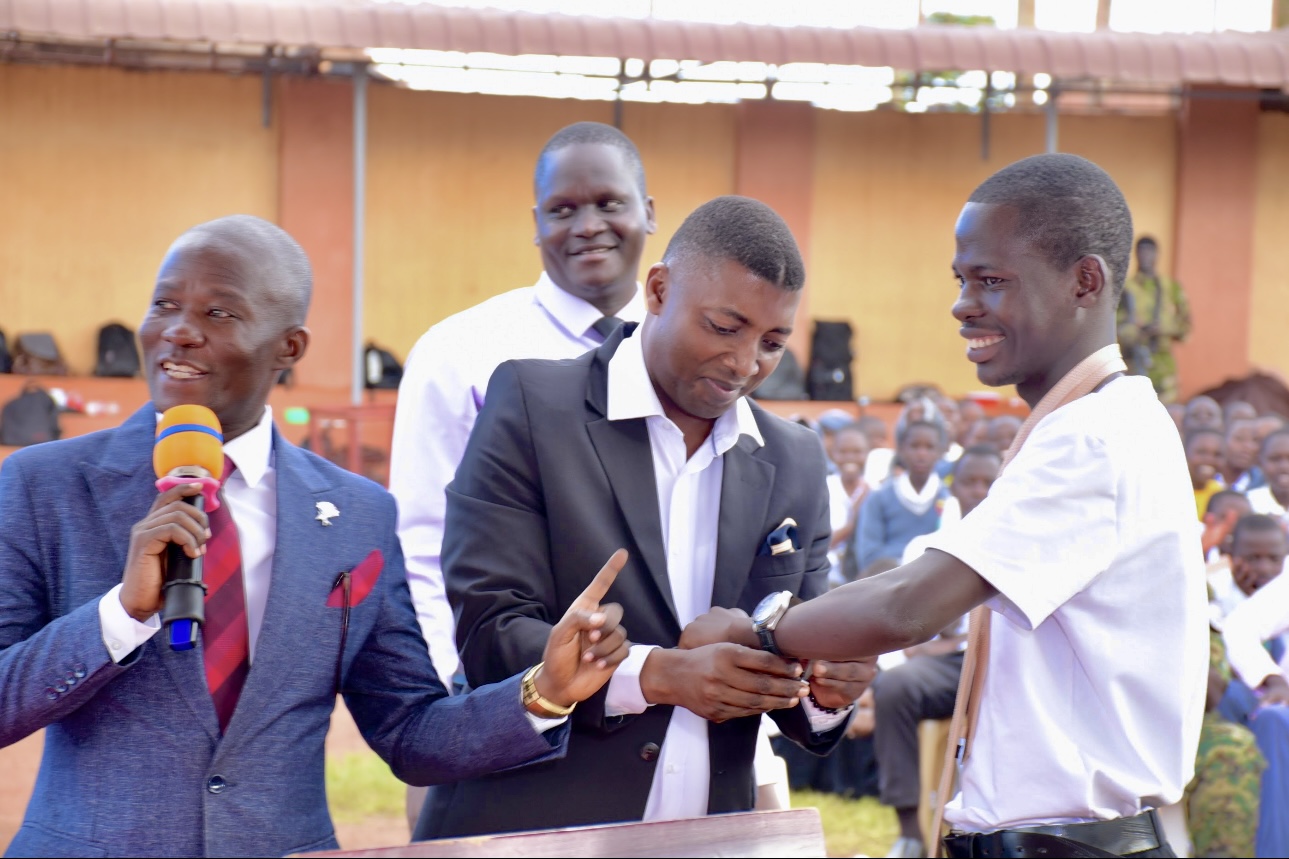
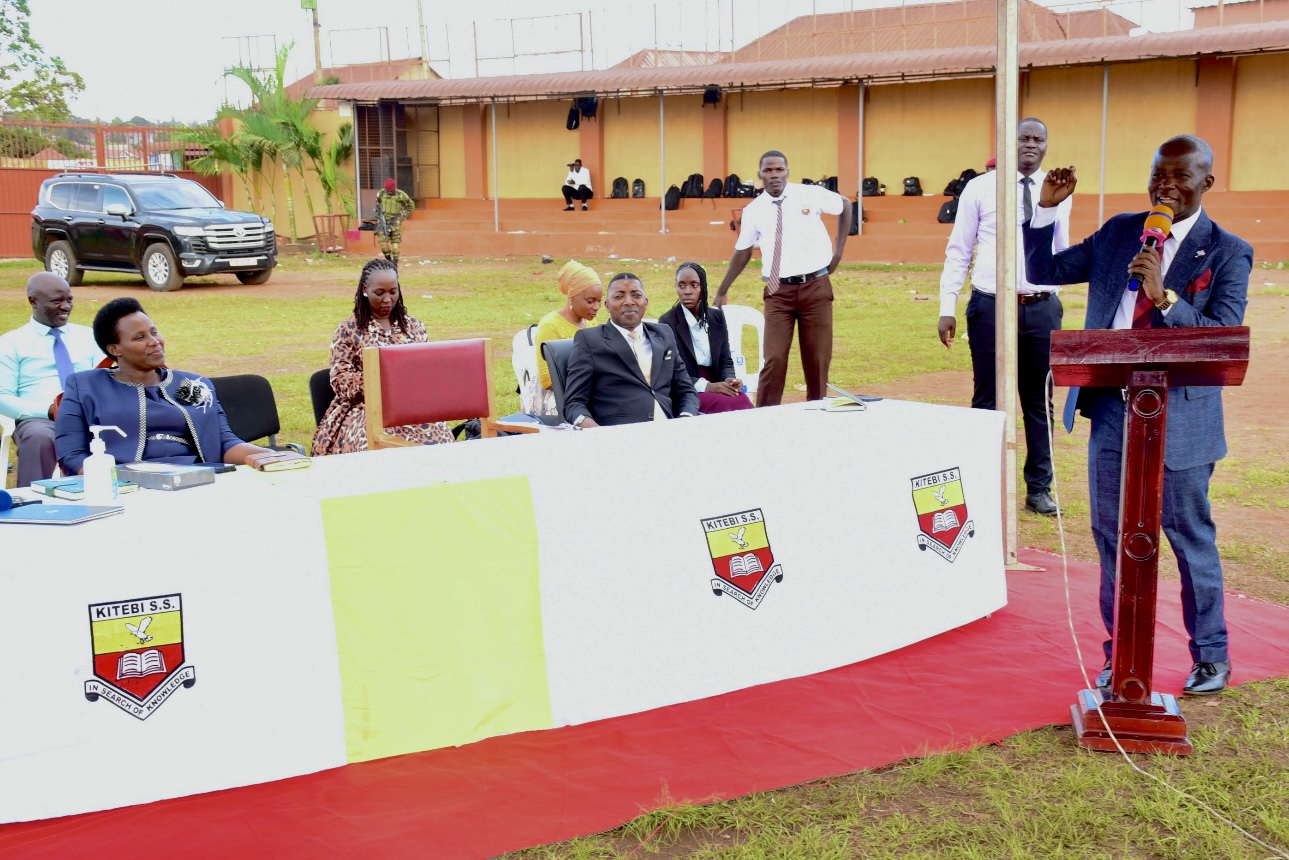
Speaking at the launch of the Patriotism Development course, the Headteacher of Kitebi Secondary School, Adv. Haj Muhammed Kamulegeya, said the programme was intended to nurture learners who are disciplined, focused and able to appreciate the value of education.
“Our goal is to nurture disciplined and focused learners, encouraging them to value education, and guiding them to appreciate their role in building their future and contributing to society,” he said.
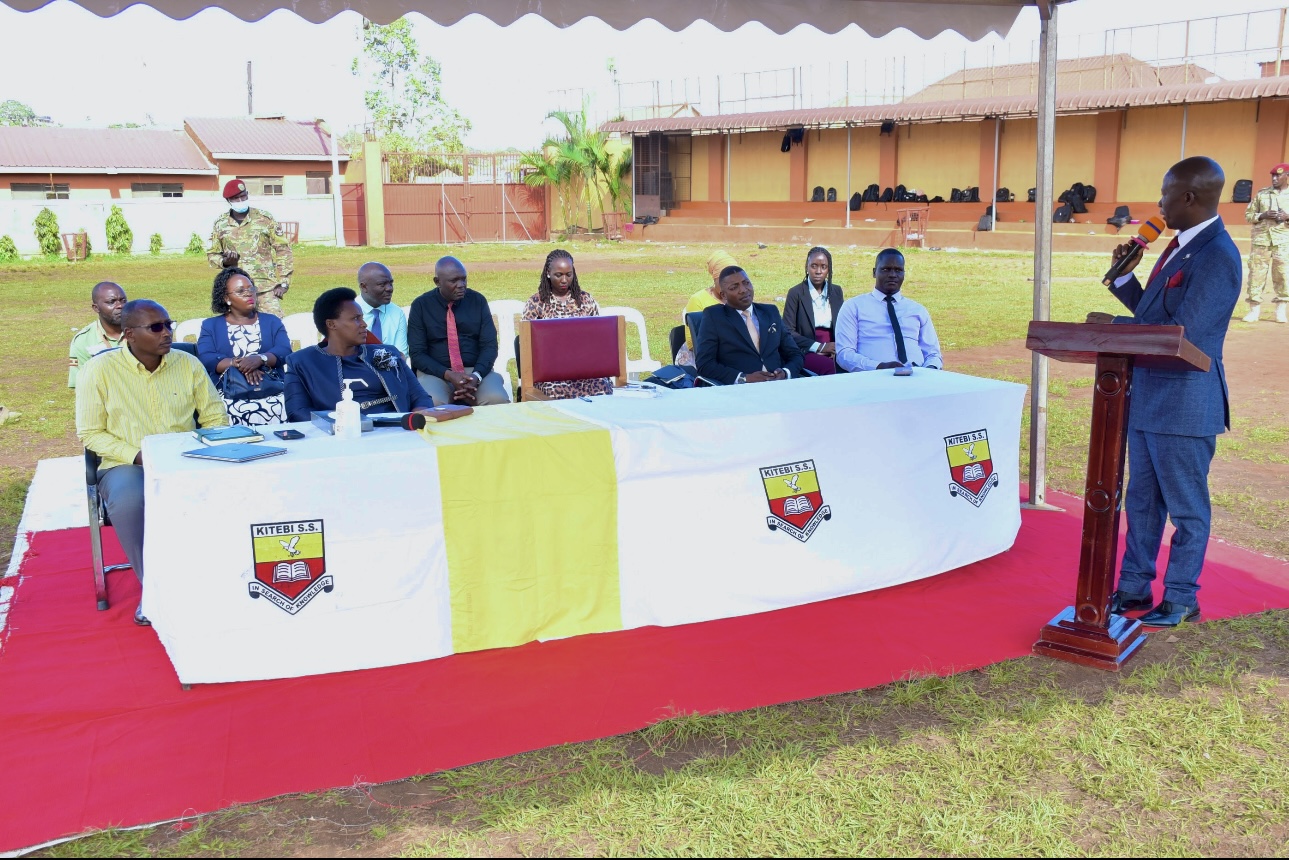
Hajj Kamulegeya noted that with the school continuing to receive large numbers of learners, orientation plays an important role in helping students understand the culture and expectations of the institution from the beginning of their secondary school journey.
The school currently has a population of more than 4,500 learners, with the new intake contributing significantly to the growing number of students.
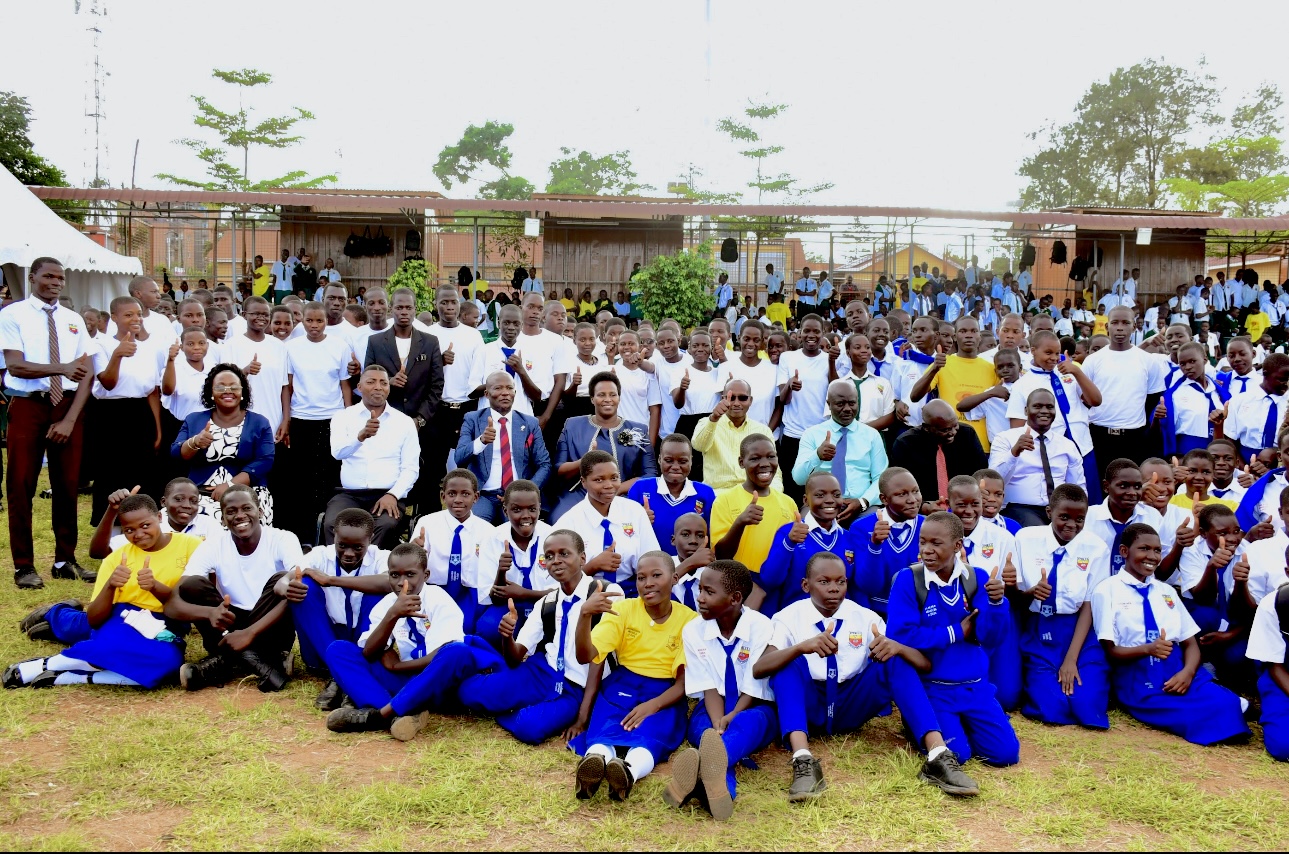
The programme also provided an opportunity for learners to interact with professionals and instructors from different fields, exposing them to issues beyond the classroom and encouraging them to think about their future roles in society.
Patriotism linked to academic excellence
The patriotism programme sought to help learners understand that being a responsible citizen begins with personal discipline, hard work, respect for others and commitment to one’s responsibilities.
Capt. Richard Owaruhanga, Assistant Commissioner in charge of Training, Information and Communication at the National Secretariat for Patriotism Corps, explained that the training was intended to help learners understand themselves, their country and the wider East African region.
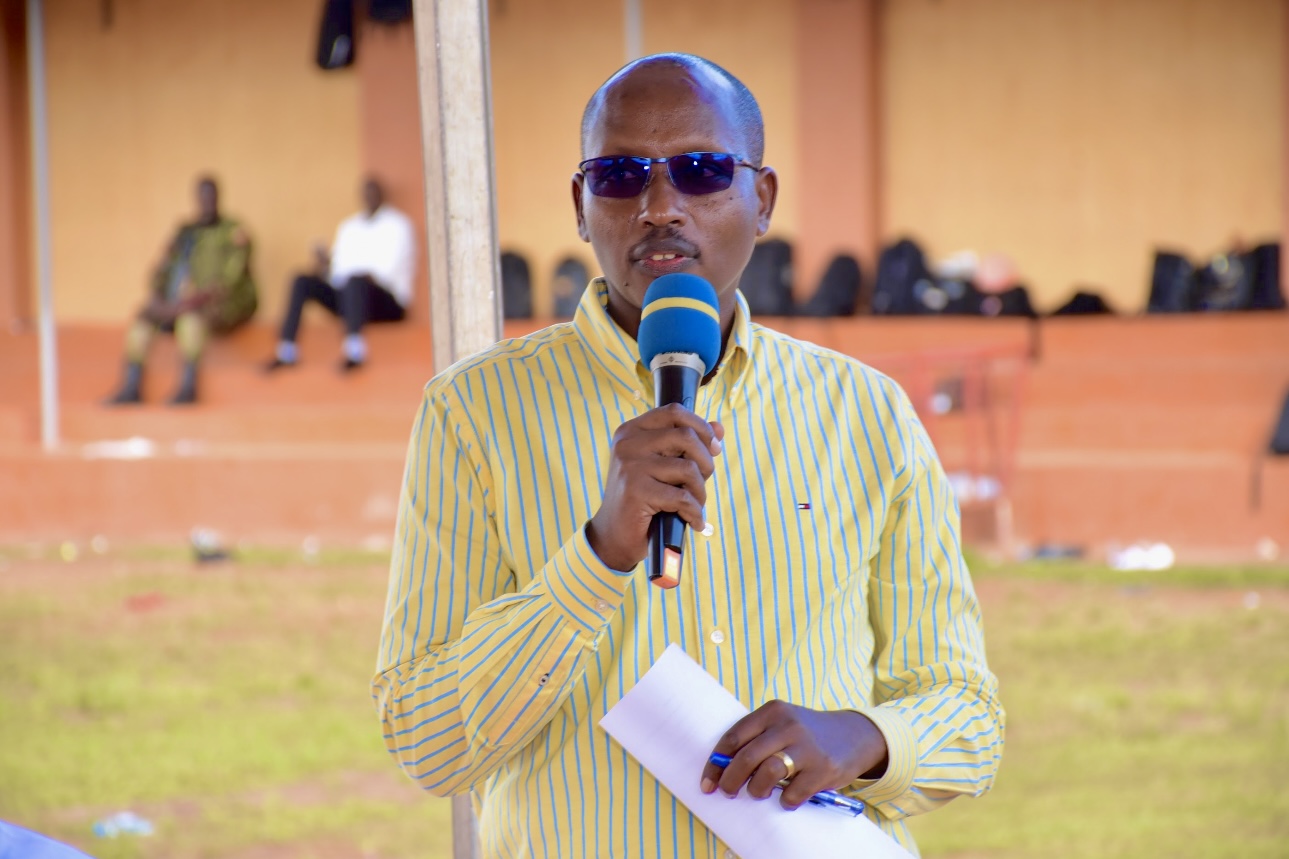
The sessions covered areas including Uganda’s history, geography, health and ideology, while also emphasising values such as Godliness, love for country, hard work and responsible citizenship.
The approach also brought professionals from different sectors closer to the learners to help them appreciate the relationship between education, personal development and their contribution to society.
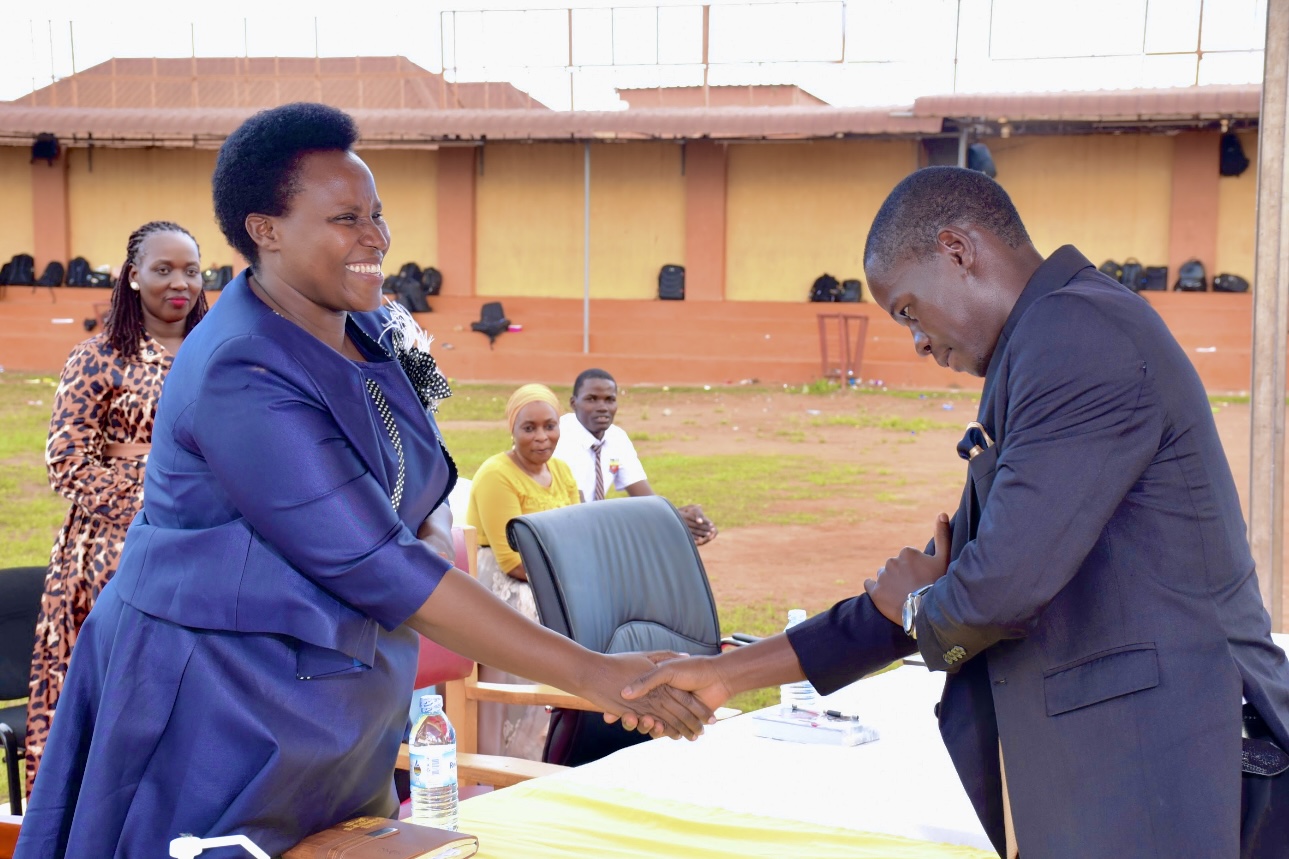
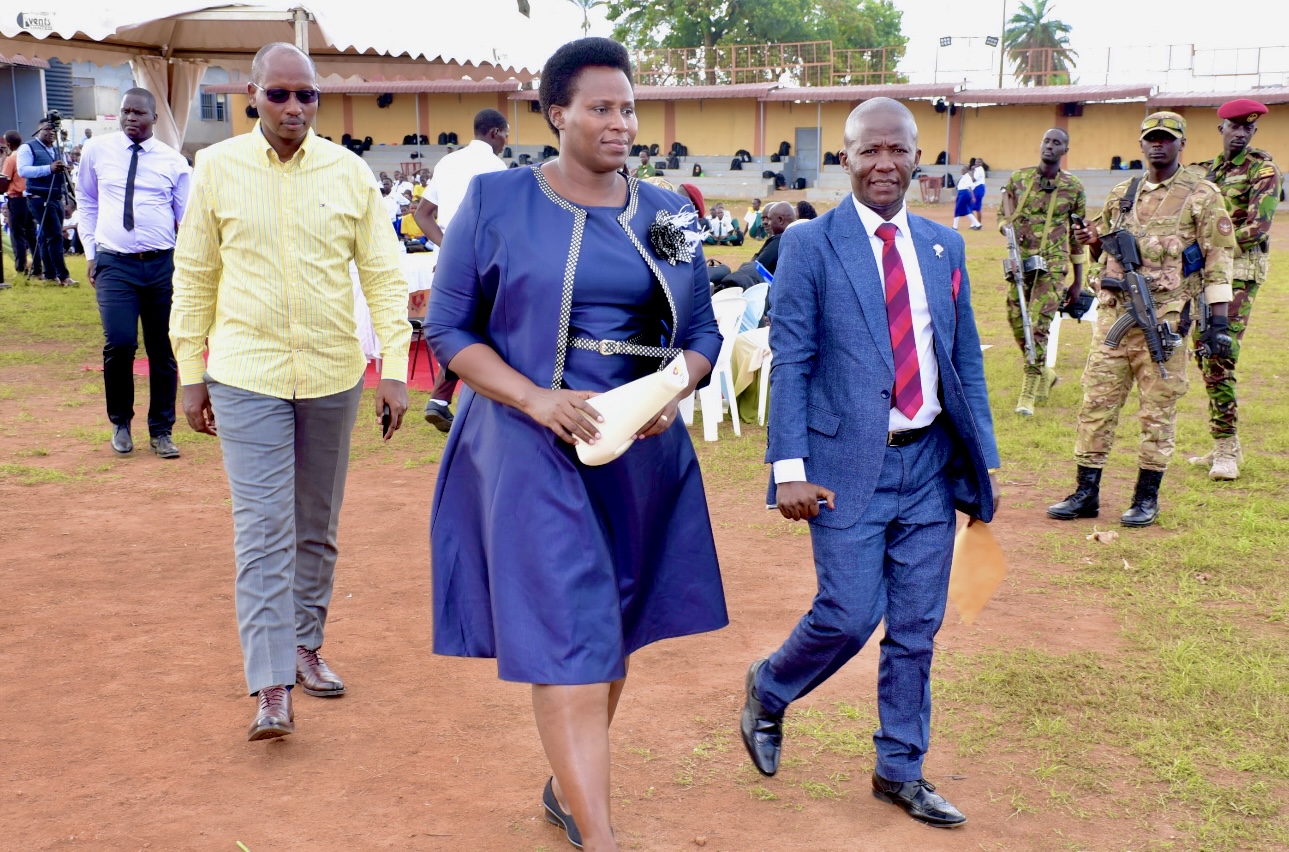
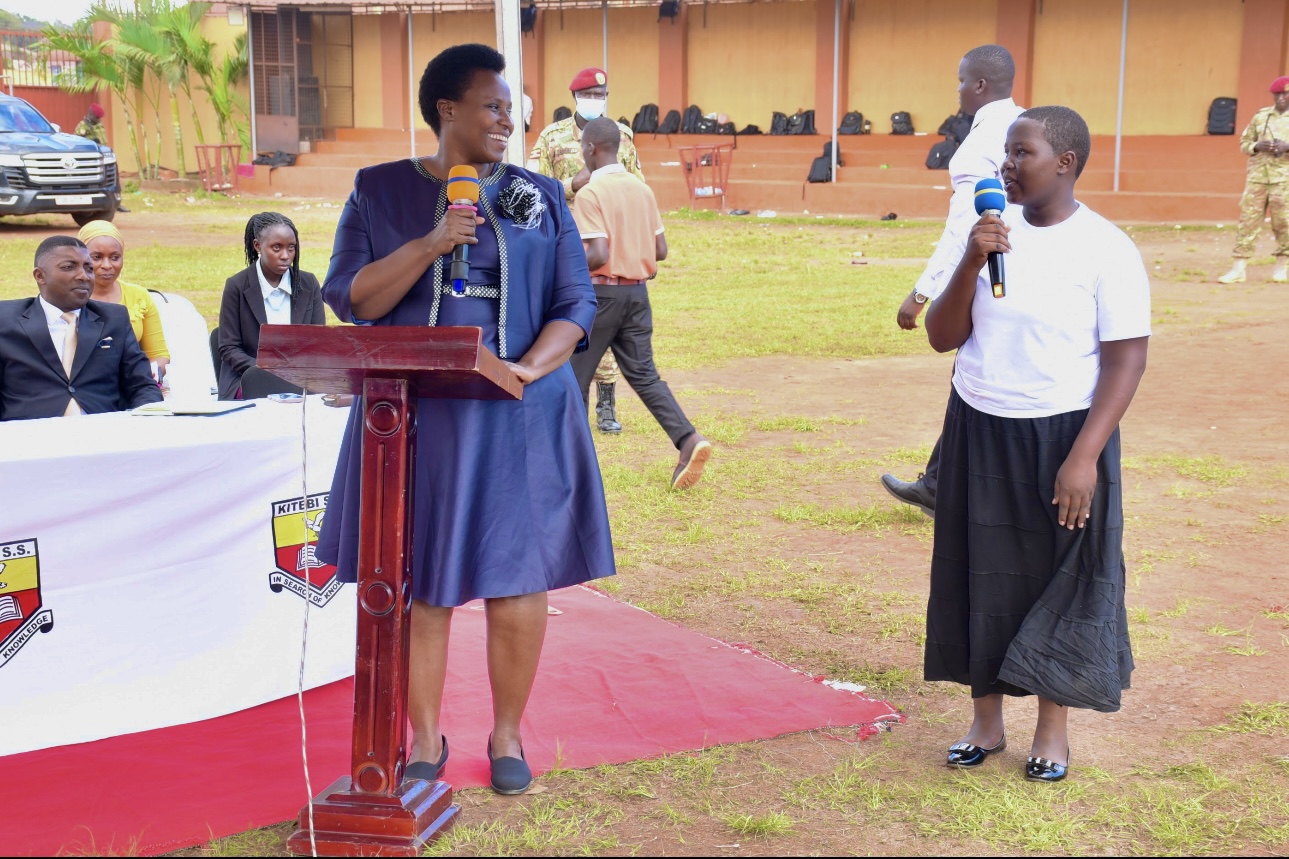
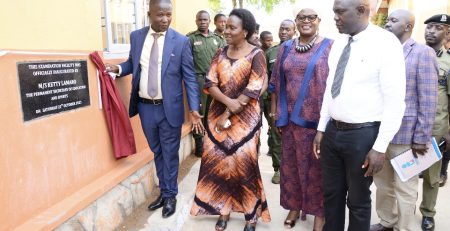
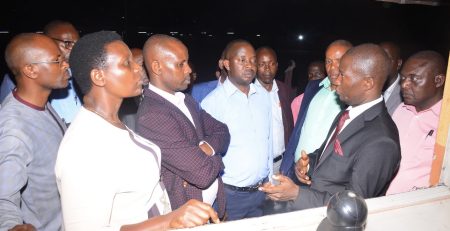
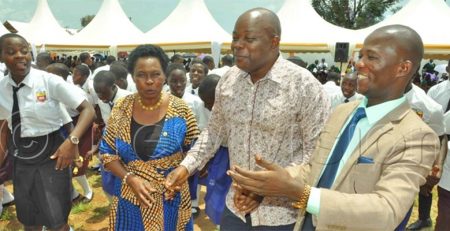
The State House Comptroller, Ms Jane Barekye, who was the guest of honour at the launch, challenged learners to take their education seriously, noting that academic qualifications remain important in preparing young people for further education and employment.
“You can be anything you desire to be when you focus on your studies,” she told the learners.
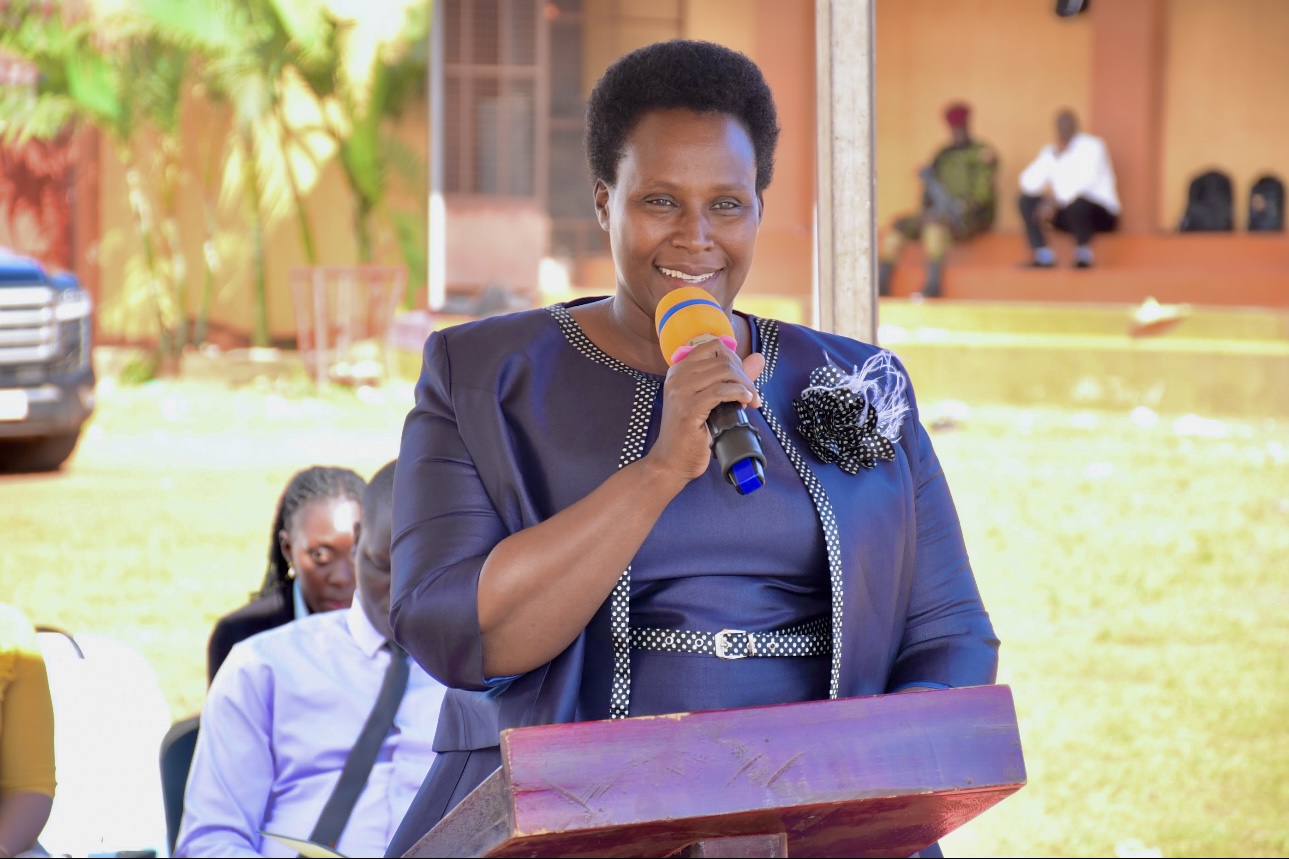
Ms Barekye further encouraged students to choose friends who are disciplined, hardworking and of good character, while cautioning them against negative peer influence and behaviours that could interfere with their education and future aspirations.
She also reminded learners that patriotism begins with responsibility to oneself, including personal hygiene, self-care, discipline and making decisions that protect one’s future.
A message to the girl-child
The programme also placed emphasis on the education and future of the girl child.
Ms Barekye encouraged female learners to believe in their potential to become future leaders and professionals, pointing to women in leadership positions as examples of what girls can achieve when they remain committed to their education.
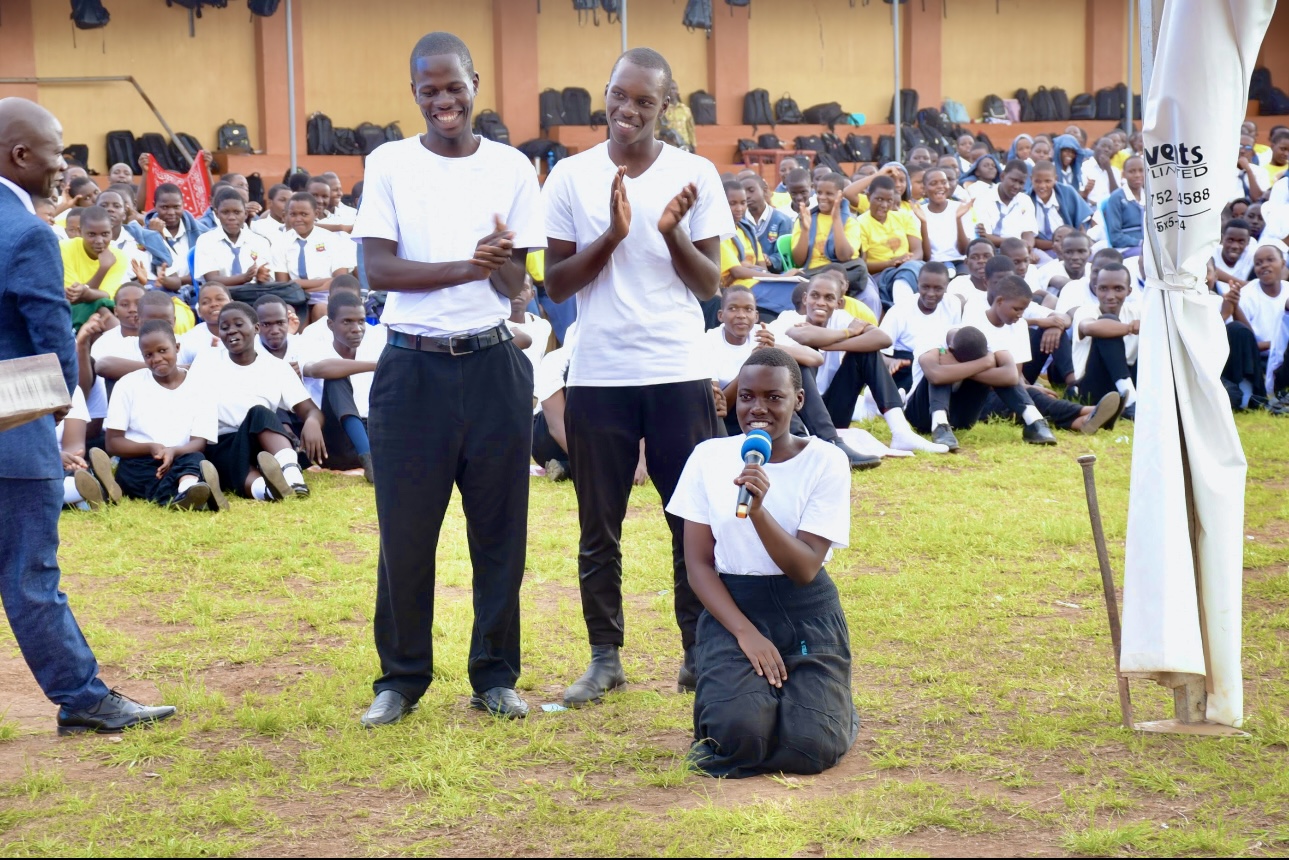
She urged the girls to prioritise their studies, avoid early relationships and guard against early pregnancies and other challenges that could interrupt their education.
She similarly encouraged boys to take their education seriously and avoid entering into relationships and responsibilities at a young age that could affect their academic progress.
The message reinforced the school’s broader emphasis on keeping learners focused on their education and helping them make informed choices during their formative years.
Linking education to practical opportunities
Learners were also introduced to opportunities available through government-supported education and skilling programmes.
Ms Barekye highlighted the Presidential Skilling Hubs, which provide practical training in areas including carpentry, hairdressing, fashion and engineering, among others.
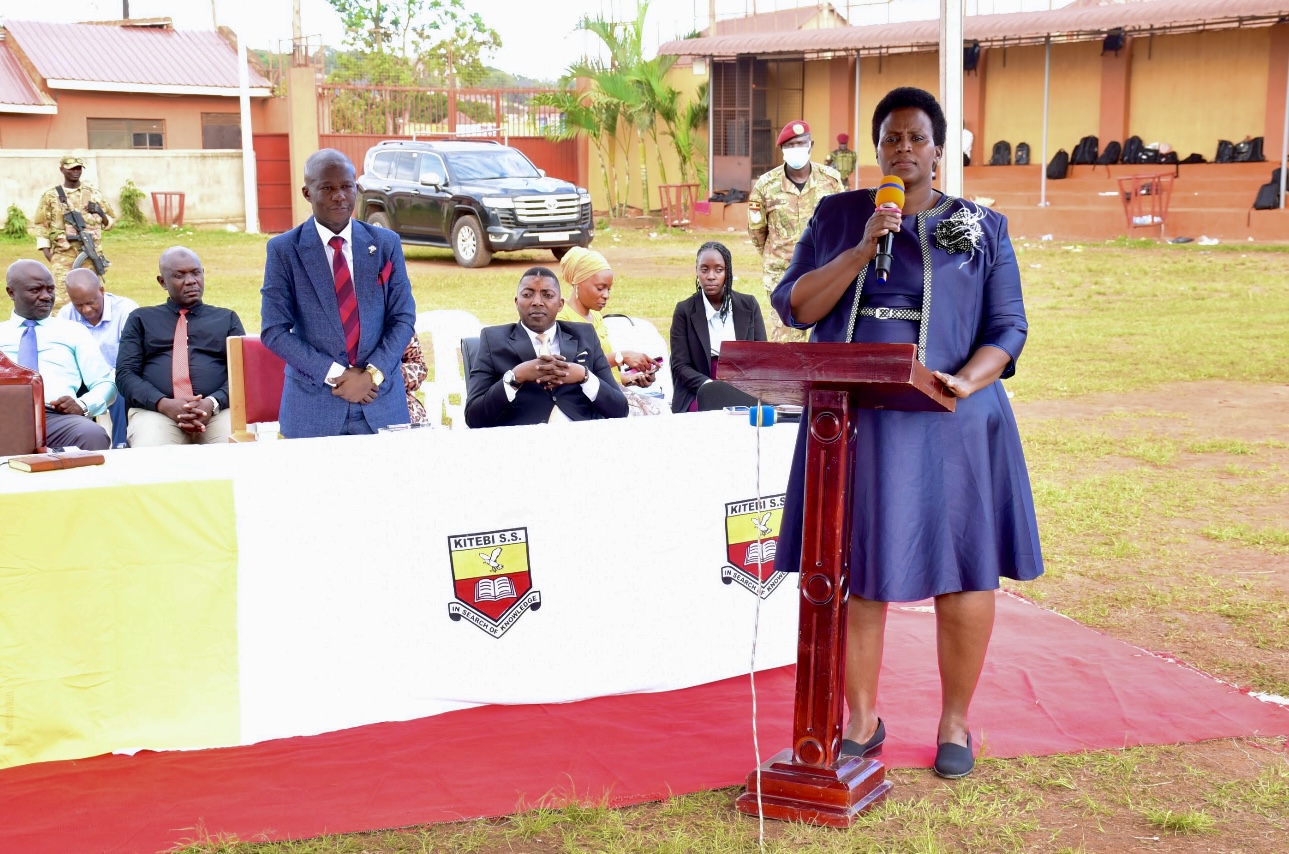
She explained that such programmes can provide alternative pathways for young people who may not immediately proceed to university, enabling them to acquire practical skills that can contribute to self-reliance and employment.
She also encouraged learners to take advantage of opportunities provided through Universal Secondary Education and other government initiatives that have expanded access to education and skills development.
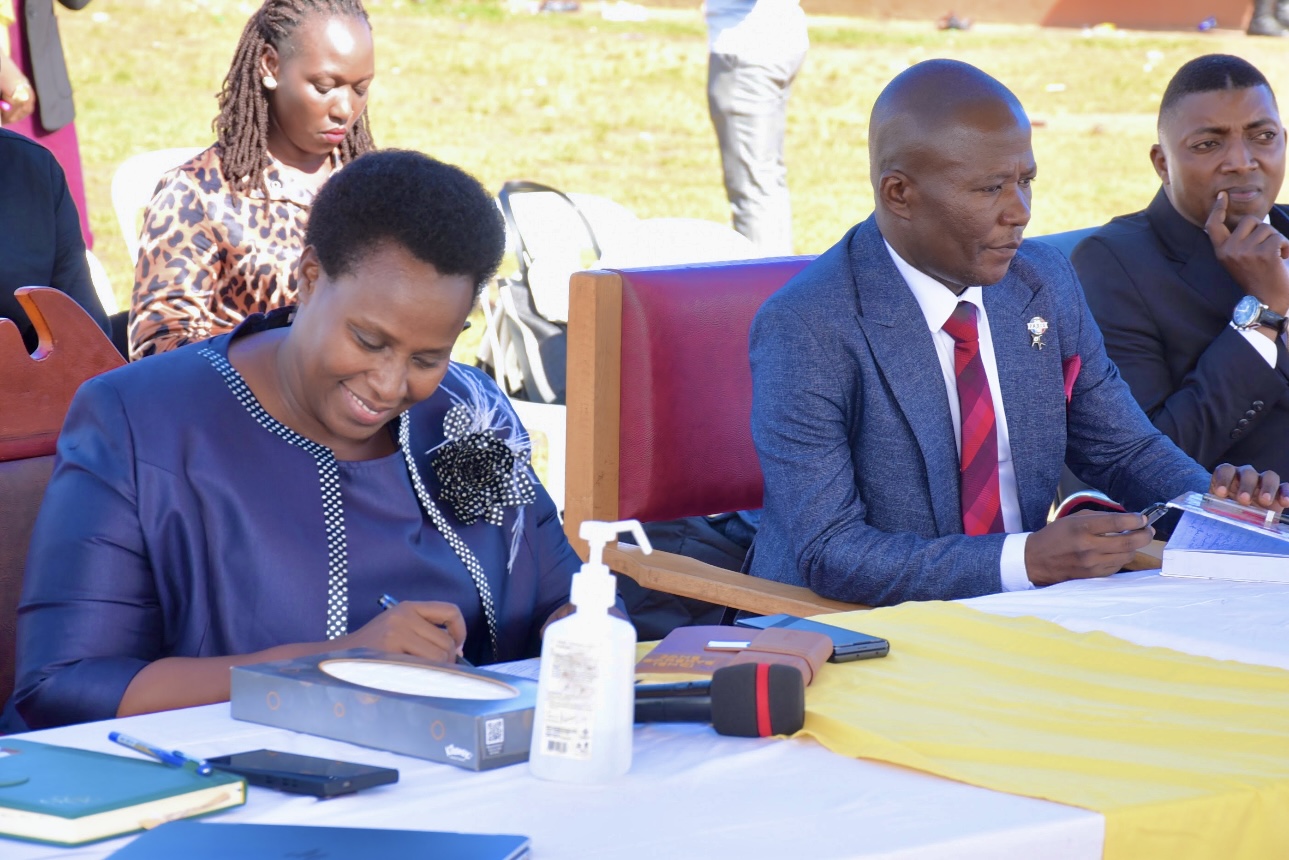
For Kitebi, the message complemented the school’s approach of preparing learners not only for examinations but also for life beyond school.
A demonstration of discipline and teamwork
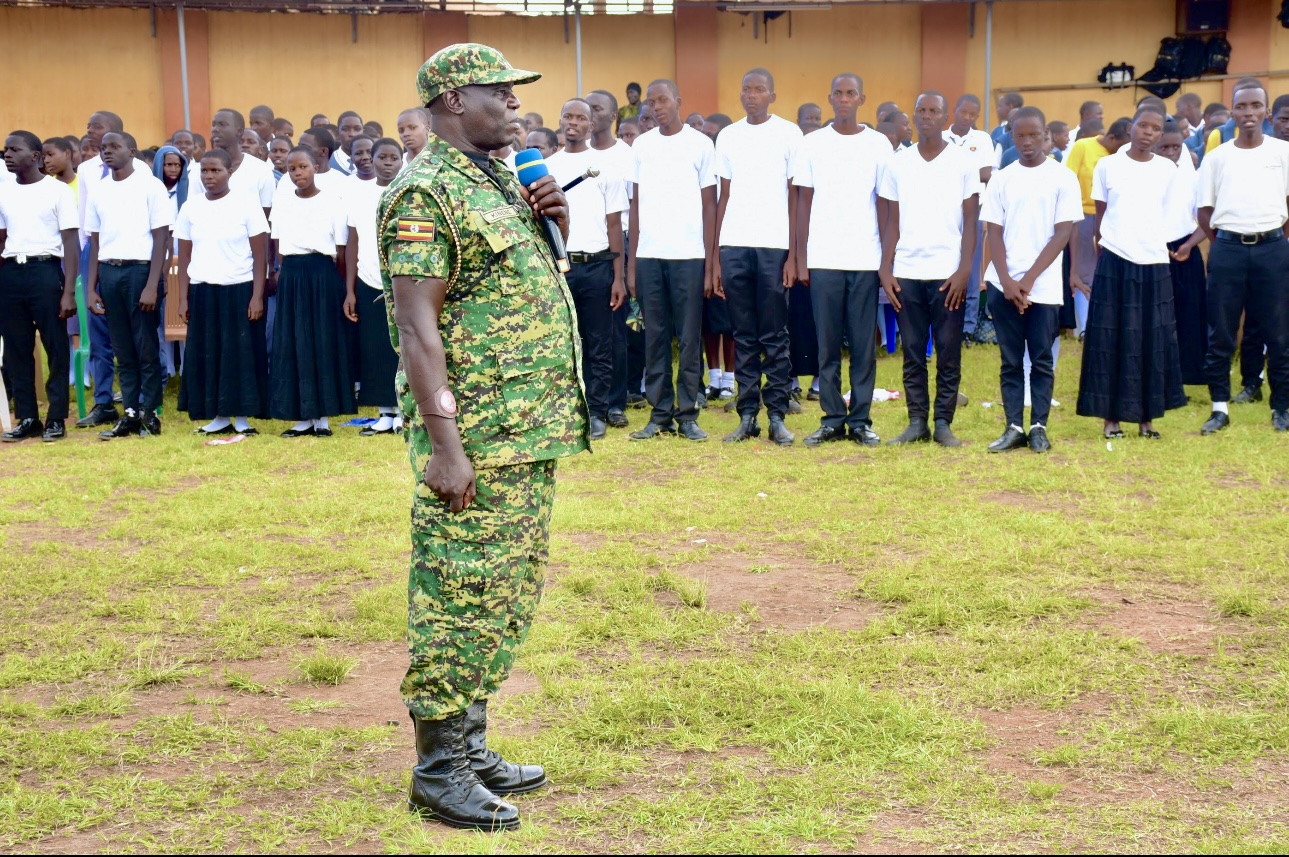
The conclusion of the programme was marked by a passing-out ceremony at which more than 3,000 learners were commissioned by the Commissioner of the National Secretariat for Patriotism Corps, Ms Hellen Seku.
The ceremony featured a series of displays that demonstrated the discipline, coordination and teamwork acquired during the training.
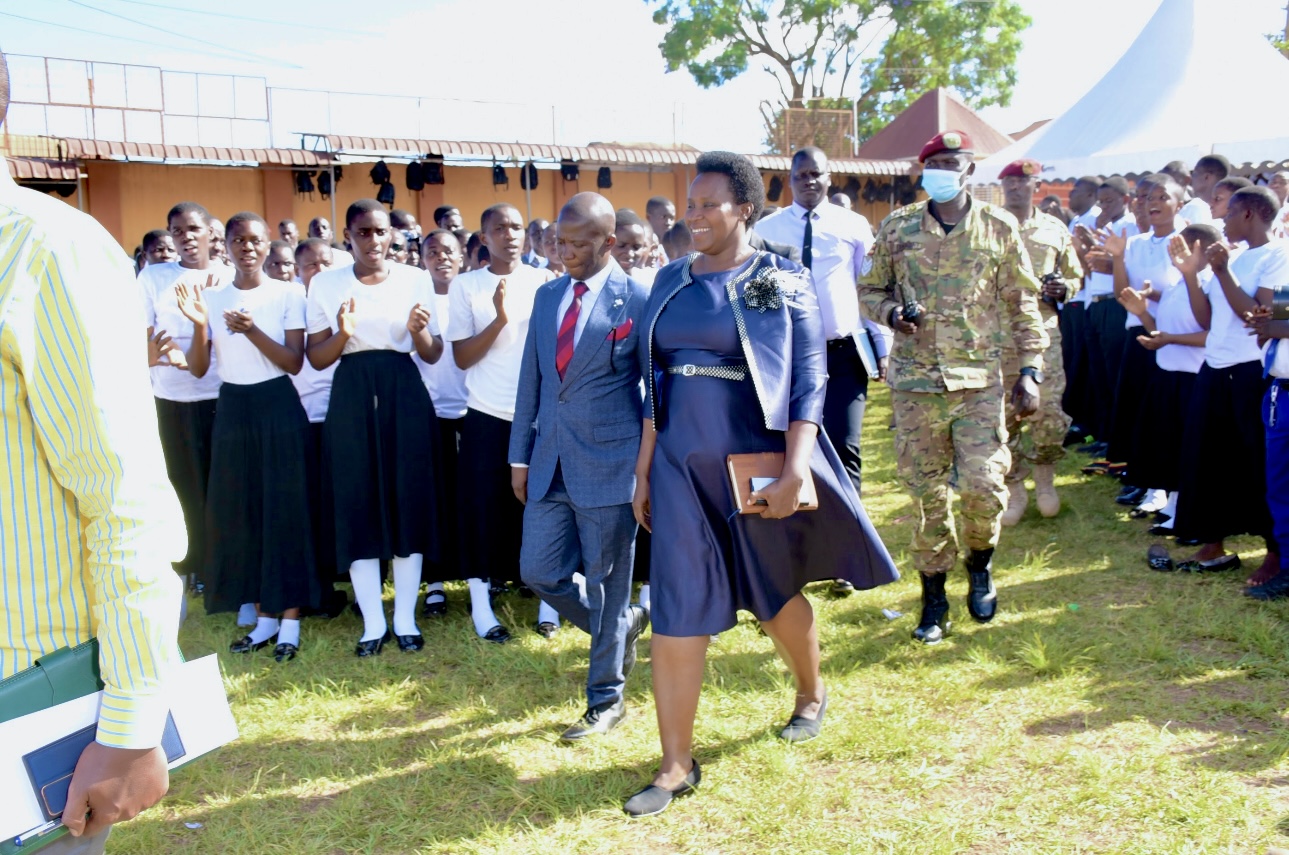
Learners marched in battalions, demonstrated self-defence techniques and participated in performances that reflected the skills and confidence developed through the programme.
The learners were urged to remain disciplined and vigilant in their daily lives, cautioning them against risky behaviours that could affect their health, education and future.
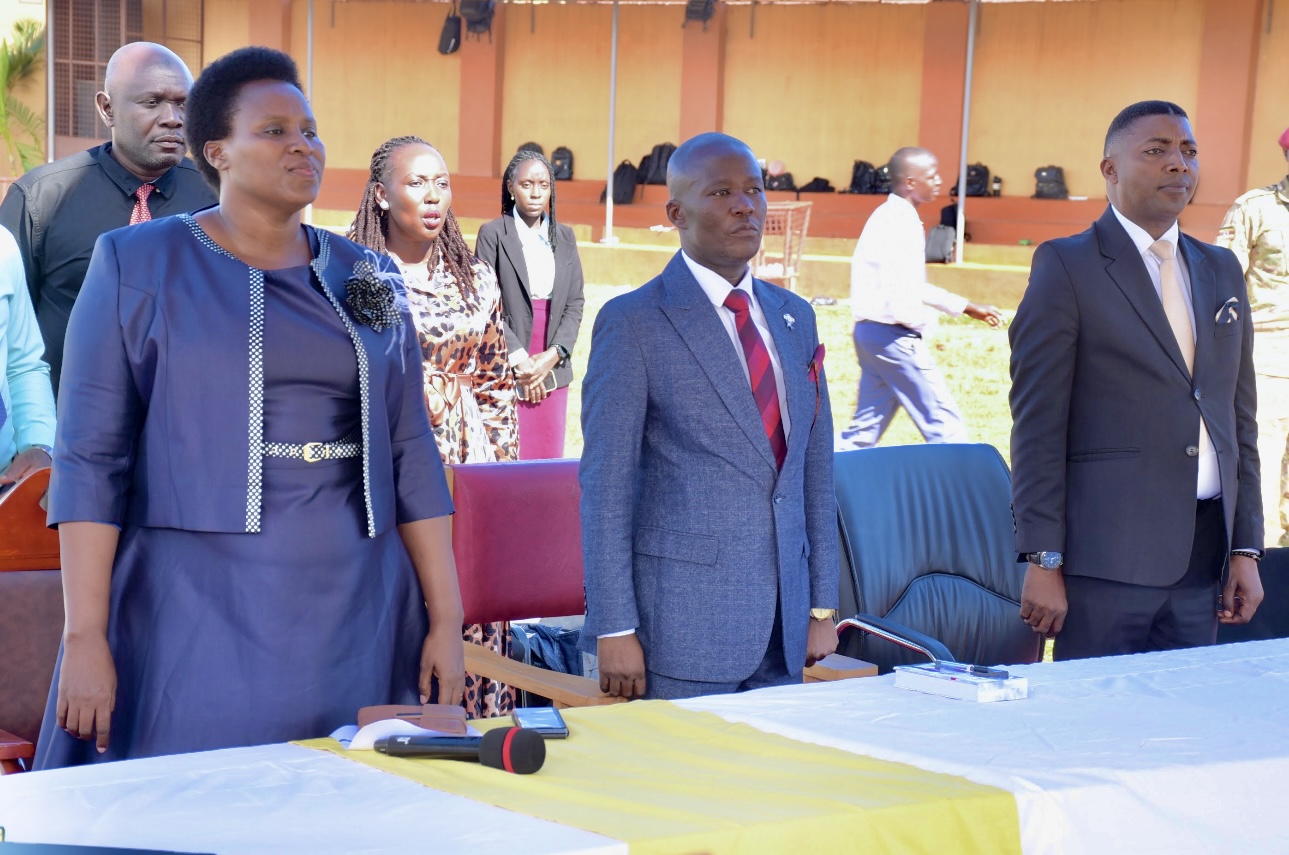
She encouraged them to embrace prayer, hard work and discipline, while reminding them that success requires commitment and consistent effort.
Strengthening the school through partnership
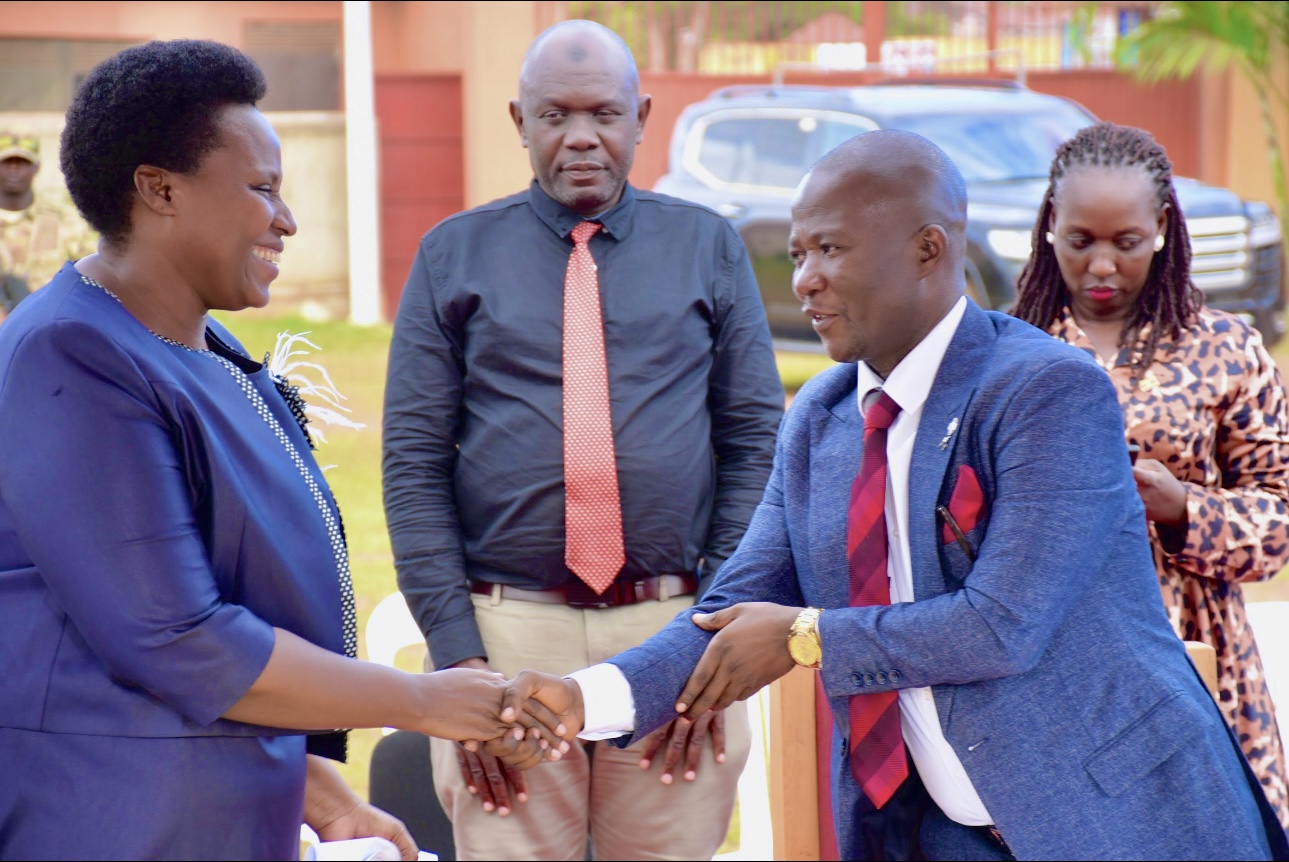
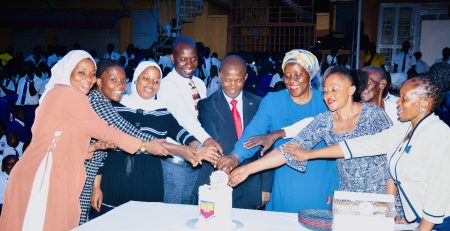
The programme also highlighted the importance of collaboration between schools, government institutions and other stakeholders in supporting learners.
Kitebi Secondary School appreciated the National Secretariat for Patriotism Corps for extending the patriotism development programme to the school and for working with the administration to reach thousands of learners.
The school also recognised the support and guidance of the State House and other government stakeholders in promoting education, discipline, patriotism and skills development among young people.
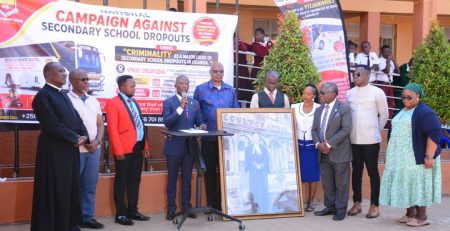
During the programme, Ms Barekye also delivered a Shs3 billion pledge from President Yoweri Kaguta Museveni towards the construction of a 16 by 4 multi-storey classroom block at Kitebi Secondary School.
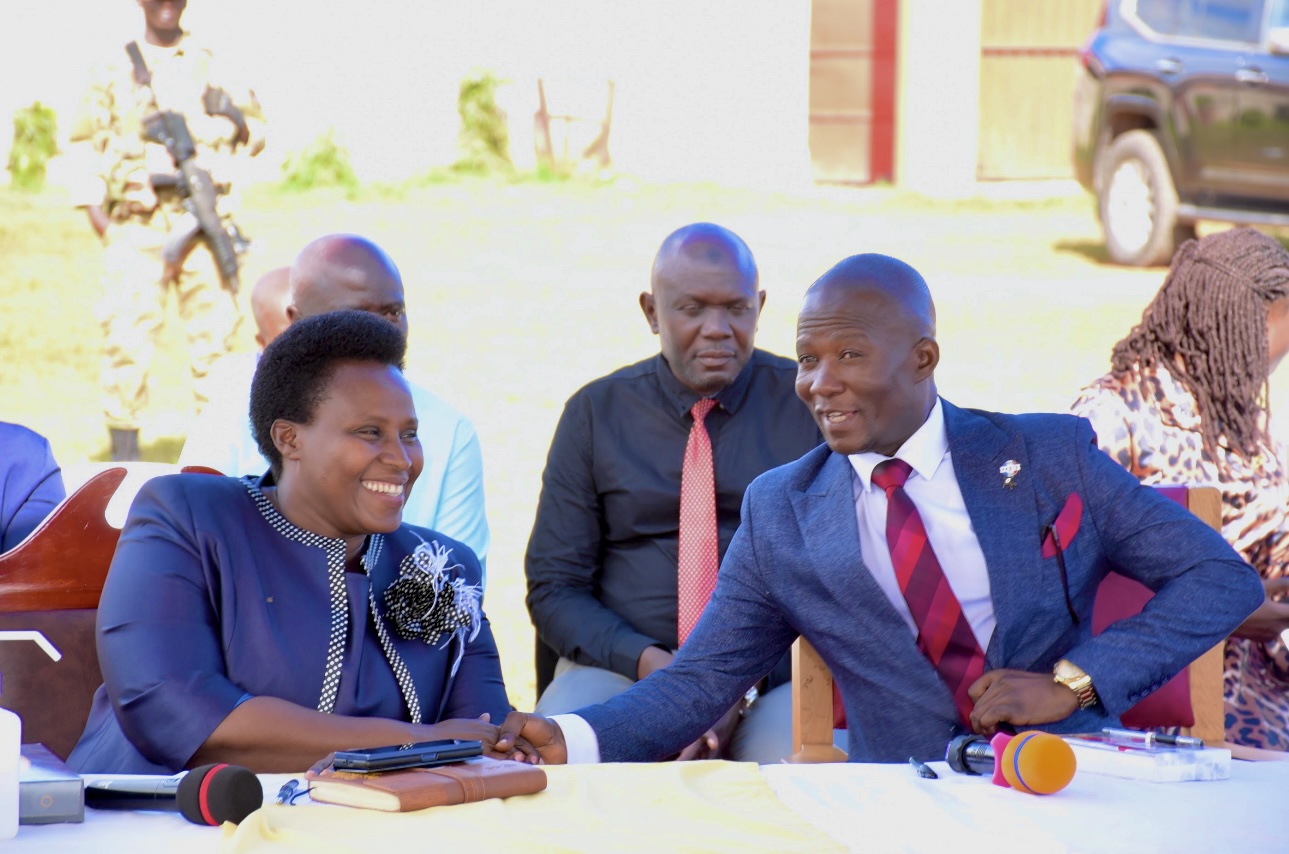
The proposed infrastructure is expected to contribute to addressing the school’s growing accommodation needs as the student population continues to increase.
The Headteacher thanked the government and all stakeholders who supported the programme, noting that the orientation and patriotism training had given learners an opportunity to reflect on the purpose of education and the kind of citizens they aspire to become.
Looking beyond orientation
For the more than 1,500 newly admitted learners who took part in the orientation, the programme marked the beginning of their journey at Kitebi Secondary School.
Beyond learning about school routines and expectations, the learners were challenged to develop the discipline, confidence, values and academic focus required to make the most of their time at school.
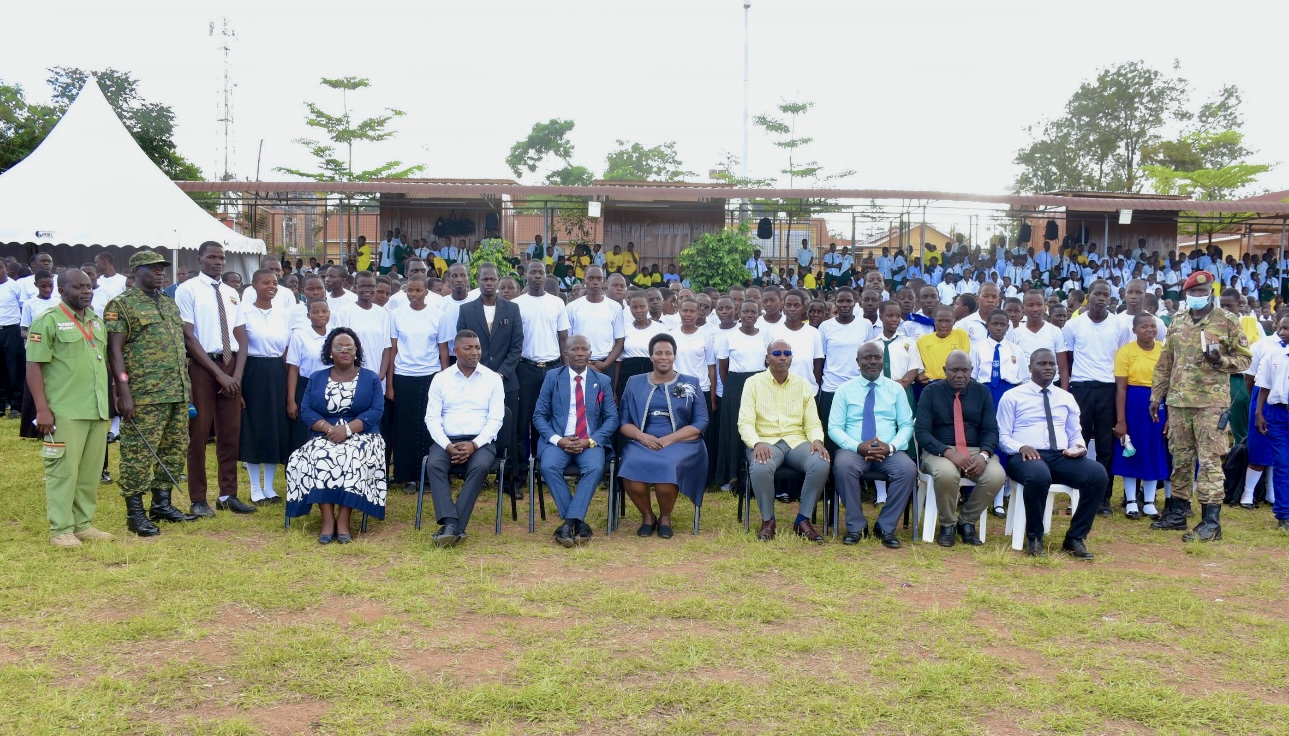
The programme reaffirmed Kitebi Secondary School’s commitment to creating an environment where academic achievement goes hand in hand with discipline, patriotism, personal responsibility and preparation for life beyond the classroom.
As the learners continue with their studies, the school expects them to translate the lessons from the programme into their daily conduct, academic work and relationships with others.
The ultimate goal is to raise a generation of learners who are not only academically prepared, but also disciplined, responsible, hardworking and conscious of their role in the development of their families, communities and country.

Leave a Reply