
Why secondary schools should embrace vocational and technical education

BY DAPHINE NAKABIRI
Vocational and Technical Education and Training (VTET) plays an important role in preparing young people for productive employment and entrepreneurship. As such, by combining classroom learning with practical skills, vocational education equips learners with competencies that enable them to earn a living, start businesses, and contribute to national development.
Speaking during the 4th VTAB Graduation Ceremony at Sayidina Abubakar Secondary School, Chief Guest Hajj MuhammedKamulegeya, and Head Teacher of Kitebi Secondary School, emphasized that vocational education is one of the key drivers of Uganda’s socio-economic transformation.

Why Vocational education is a key driver of transformation
He noted that the Government of Uganda, through the National Resistance Movement (NRM) manifesto, more than 20 years ago aimed to transform the country into an industrialised and knowledge-based society. To achieve this vision, several flagship programmes were established to strengthen technical and vocational education and equip young people with employable skills.
Among these initiatives are the National Skills Development Programme, which focuses on developing skills demanded by the labour market; the enhancement of Technical and Vocational Education and Training (TVET); the construction of regional skills incubation centres to equip youth with practical employment skills; investments in ICT parks and national call centres to create opportunities in the digital economy; and support for science and innovation in secondary schools, universities, and research institutions to promote value addition and industrial growth.
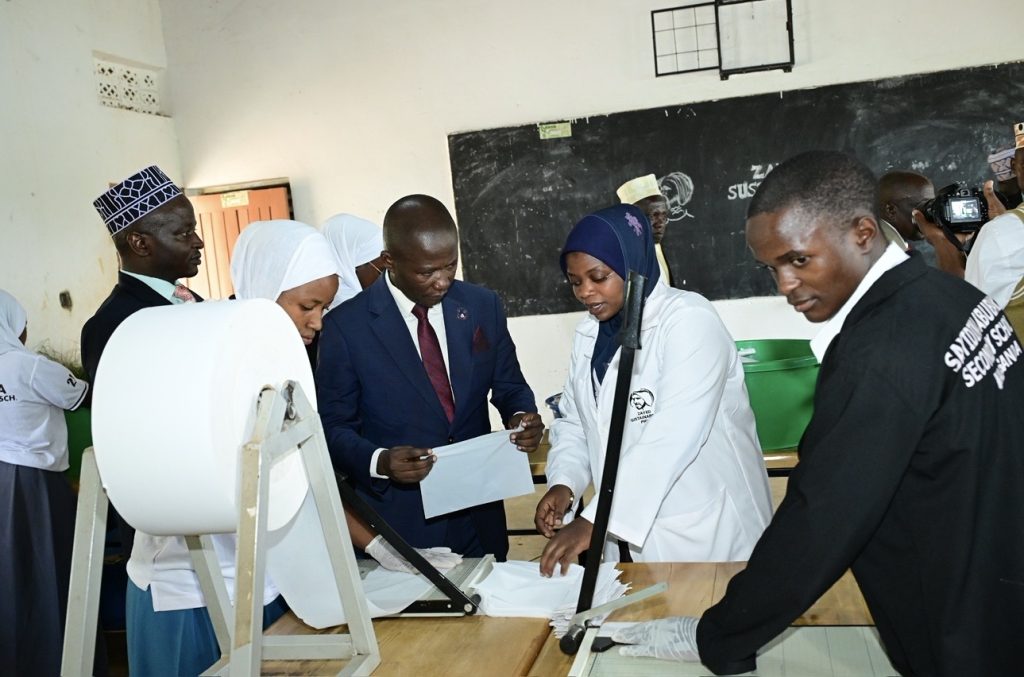
According to him, these programmes are designed to ensure that young people become self-reliant by acquiring practical competencies that enable them to secure employment or create their own enterprises.
He commended Sayidina Abubakar Secondary School for embracing vocational education, noting that institutions that invest in practical training are helping to bridge the gap between education and the labour market.
Awarding ceremony
During the graduation ceremony, Amb. Prof. Badru Kateregga, the Vice Chancellor of Kampala University presented to Hajj Kaulegeya an appreciation award for his support the school and he passed out 190 learners who successfully completed VTAB assessments in different occupational areas, including tailoring, baking, crop and animal farming, and other vocational disciplines. Hajj Kamulegeya emphasized that these skills not only prepare learners for employment, but also empower them to become entrepreneurs capable of creating jobs within their communities.
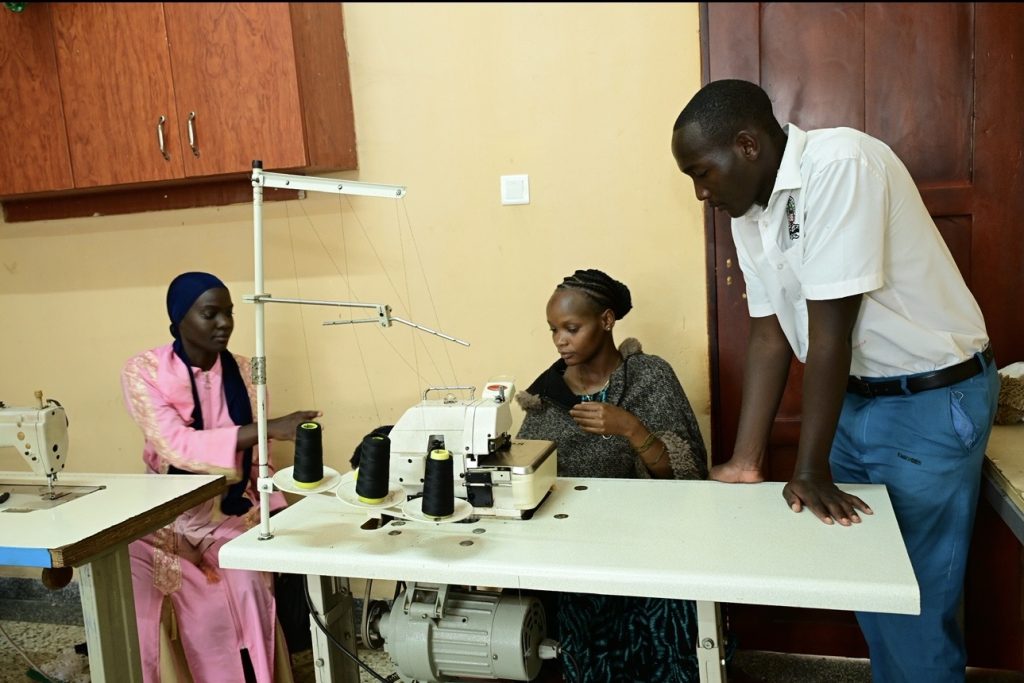
He further encouraged schools to continue expanding vocational and technical education, especially following the successful implementation of Universal Primary Education (UPE) and Universal Secondary Education (USE). He observed, “Strengthening practical education will contribute to developing a productive workforce capable of meeting Uganda’s growing labour market demands.”
In a bid to also strengthen this cause, he donated Shs500,000 to enable learners purchase vocational education tools that will be used during the various workshops.


Therefore, as industries continue to evolve and the demand for practical skills increases, vocational education remains one of the most effective pathways for empowering young people with the knowledge, confidence, and hands-on experience needed to thrive in today’s economy.



Leave a Reply